

We work in the hardest-to-reach places, where it’s toughest to be a child.
When you give to Save the Children, 86% of every dollar goes straight to our mission to provide lifesaving relief to children.
- $50 can provide enough food to keep 3 children from going hungry for a month
- $150 can wrap 30 warm, cozy blankets around children affected by conflict
- $300 can provide 150 face masks to refugee health workers on the front lines
With your support, we can continue our work to keep children in the U.S. and around the world healthy, educated and safe.
Join us to learn how you can help make change for children.

CHILDREN AND FAMILIES IN NORTHERN GAZA ARE JUST WEEKS AWAY FROM FAMINE

A COLLECTION OF CHILDREN'S ART AND POEMS ABOUT THE CLIMATE

SUDAN: ONE YEAR OF WAR HAS DISPLACED OVER 8 MILLION PEOPLE
News and Featured Stories

On the Ground in Gaza with Janti Soeripto
Save the Children U.S. President & Chief Executive Officer Janti Soeripto discusses what she saw and the need for a ceasefire and unimpeded humanitarian access.
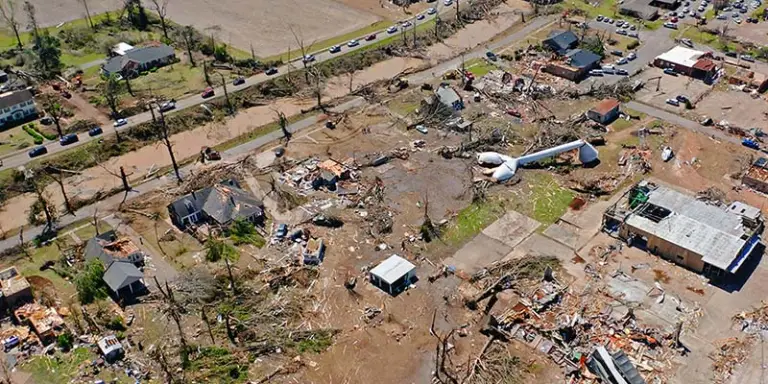
10 Tornado Safety Tips to Keep Kids Safe
It’s important that children understand how to stay safe during a tornado, as they can be deadly and cause wide spread destruction.

What Is Famine: 10 Things to Know
Parts of certain countries such as Gaza, Somalia, Afghanistan, Yemen, South Sudan and Ethiopia are at risk of famine. What does that mean for children?
Save the Children is a leading charity organization for children. Join us.
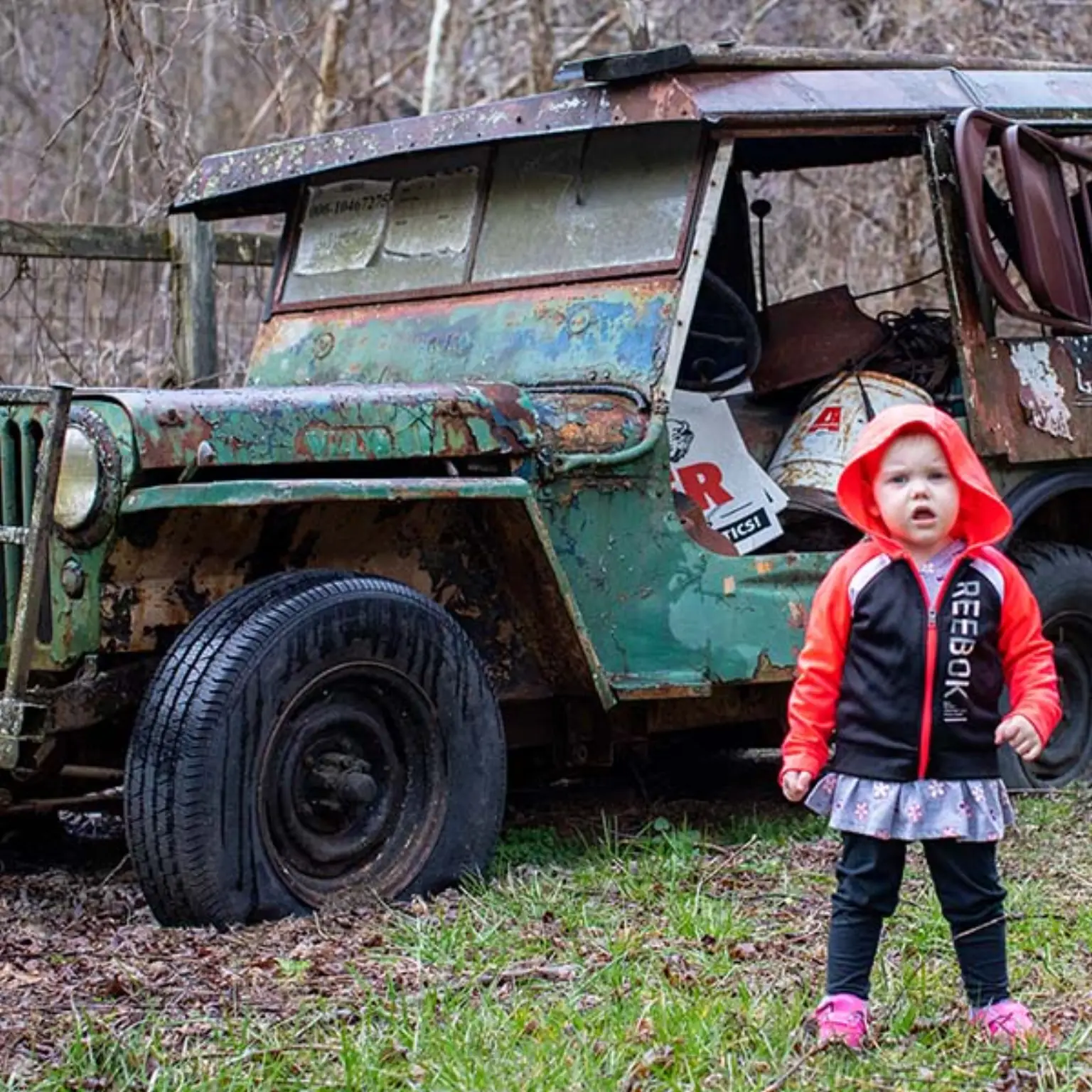
BECOME A MONTHLY DONOR

HODL HOPE FOR CHILDREN

BROWSE THE GIFT CATALOG
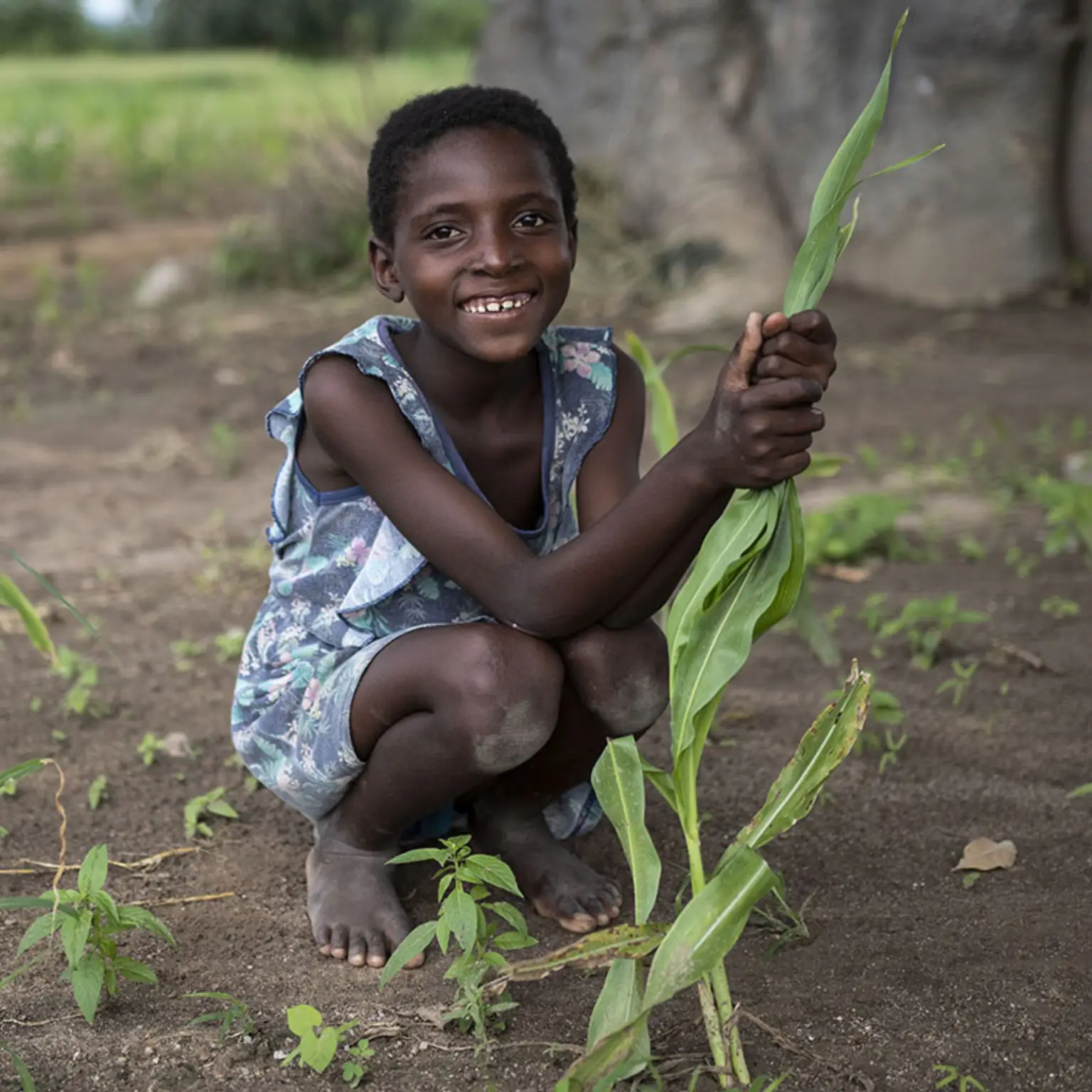
DONOR-ADVISED FUNDS

FUNDRAISE FOR KIDS
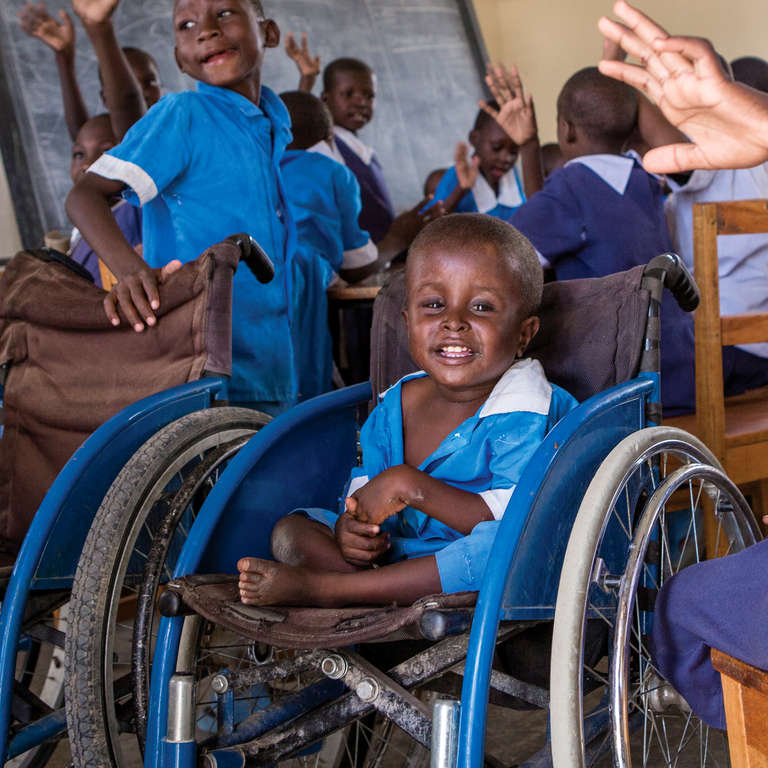
HOW TO HELP CHILDREN
Featured Partner
Since 2019, Save the Children and Kinder have been implementing Joy of Moving programming to summer learning sites around the US, encouraging children in rural America to build skills, knowledge and behaviors that promote children’s academic success and healthy development. LEARN MORE
Thank you for signing up! Now, you’ll be among the first to know how Save the Children is responding to the most urgent needs of children, every day and in times of crisis—and how your support can make a difference. You may opt-out at any time by clicking "unsubscribe" at the bottom of any email.
By providing my mobile phone number, I agree to receive recurring text messages from Save the Children (48188) and phone calls with opportunities to donate and ways to engage in our mission to support children around the world. Text STOP to opt-out, HELP for info. Message & data rates may apply. View our Privacy Policy at savethechildren.org/privacy.