

Donate to Help Children in Syria and Syrian Refugees
- 5,000 are estimated to be among those forced from their homes across northeastern Syria in a resurgence of clashes.
- Save the Children urges all parties to uphold the ceasefire and take immediate steps to protect civilians.
- Save the Children has been working in Syria since 2012, reaching over five million people.

A graphic representing the number of people in need of aid in Syria, approx 16.7 million.
16.7 million people, including more than 8 million children, are need of humanitarian aid
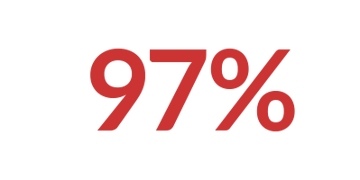
97% of the population in Syria live below the poverty line

Syria is the third least peaceful country in the world according to the Global Peace Index (GPI)
Save the Children has been working in Syria since 2012, reaching over five million beneficiaries, including more than three million children across the country.
Save the Children’s programming combines emergency and life-saving interventions with early recovery activities that support the restoration of basic services, including child protection, education, emergency response, food security and livelihoods, water sanitation and hygiene as well as health and nutrition.

We're delivering hygiene kits and trainings to children

We're improving access and quality of pre-primary and primary education

We're screening children and pregnant and lactating women for malnutrition

We're supporting internally displaced people through cash grants

We're facilitating the vaccination of children and women

An icon of a mother and child holding hands.
We running child-friendly spaces, where boys and girls can socialize and play
The Crisis in Syria: Frequently Asked Questions
What is the current situation in North East Syria?
Fighting in recent days has reportedly damaged roads and bridges and disrupted electricity supplies in Raqqa, according to the UN. In parts of Al-Hasakah governorate, insecurity has further heightened risks for civilians and constrained movement. Save the Children has temporarily suspended most of its aid operations in Raqqa and Tabqa due to the security situation, and for the safety of staff and partners.
Many of those impacted were already displaced from other parts of Syria and are now being forced to pick up what remains of their lives once again. The UN reports that around 700 families have arrived in Al-Hasakah governorate, with further arrivals expected in the coming days as insecurity continues.
At least nine schools have suspended classes and are now serving as shelters in Al-Hasakah, according to Save the Children.
How has the Syrian conflict affected the children of Syria?
The conflict in Syria has devastated the lives of a generation of young people.
Many children have lost relatives to death, detainment, or disappearance, leaving Syrian orphans separated from their families in the brutal chaos of war.
More than two years after the devastating earthquakes, children across northern Syria are once again facing severe levels of violence.
Children have experienced psychological distress because of violence and instability, being separated from their parents or seeing their loved ones killed, only further compounded by the earthquakes.
In 2025, 16.7 million people, including 7.5 million children, were in need of humanitarian support, 2.45 million children were out-of-school, and 2 million children were at risk of malnutrition.
What is the impact of the war in Syria on children's mental health?
In Syria, children have faced repeated risks of bombardment, displacement, death, destruction, illness and hunger over the last 14+ years, which has had a huge impact on their mental health.
Since the earthquakes, children have been exposed to further life-threatening events, suffering life-changing injuries, lost family members and friends, and seen their homes and schools destroyed overnight. In these conditions, children and their caregivers need crucial psychosocial support to avoid long-term repercussions on a child’s health, wellbeing and development for months or even years to come.
Children's mental wellbeing is being pushed to the limits.
What is impact of the economic crisis in Syria?
The Syrian Pound exchange rate has undergone a more than 70-fold depreciation since the onset of hostilities in 2011. This decline has accelerated since late 2019, after the start of Lebanon’s currency crisis.
The devaluation is felt by communities and families who have witnessed additional increases in the prices of basic commodities, including food, water and fuel. The crisis in Ukraine has upended the markets for food and energy, contributing to the falling of standards of living.
How did the 2023 earthquakes impact children in Syria?
The economic impact of the 2023 earthquakes that ripped through southern Türkiye and northern Syria threatened to push at least another 665,000 Syrians into hunger, with doctors and aid agencies warning that levels of child stunting and maternal malnutrition are reaching levels never seen before.
The number of Syrians acutely food insecure and facing hunger had already reached 12.1 million people—more than half the population—before the first devastating earthquake hit in the early hours of February 6.
As part of the earthquake response, Save the Children delivered aid through partners, responding in Idlib and Aleppo governorates, and providing emergency food rations, blankets, tents, and warm clothing. Save the Children is also making sure children and their families can keep clean, healthy, and protected from illness and diseases, as well as providing protection services, including psychosocial support.
How is Save the Children responding inside Syria?
Save the Children has been providing assistance to children in need in Syria since 2012 through local partners and directly.
Save the Children programming combines emergency and life-saving interventions with early recovery activities that support the restoration of basic services, and aims to reach every last child in need, with a particular focus on the most marginalized children and their families.
Our goal is to ensure that every child in Syria survives, learns and is protected.
Today, alongside local partners, we are scaling up our response to once again meet the needs of those who have been uprooted by violence. A scale up in funding is urgently needed to deliver lifesaving aid across Syria.
How long has Save the Children worked in the Middle East?
Save the Children has worked in the Middle East since 1919. Our work has focused on helping families forced from their homes by conflict and advocating for children's rights.
How can I make a monthly donation to provide ongoing support to children living in conflict?
By joining Team Tomorrow as a monthly donor, your continued support can help make a major difference in the lives and communities of children around the world, including those growing up in conflict zones.
Fourteen years since the start of conflict in Syria, families are still surrounded by rubble and now, thousands more are fleeing for their lives.
Our President & CEO Janti Soeripto was in Syria and witnessed the devastation years of conflict have wrought on the country. Children need schools and access to medical care. Parents want safety, stability and a future for their kids.
Since 2012, Save the Children has reached more than 11 million people, including over 5 million children, across Syria with food, water, healthcare, education and psychosocial support.
Syria’s children can’t wait. We must let aid reach those in need.