
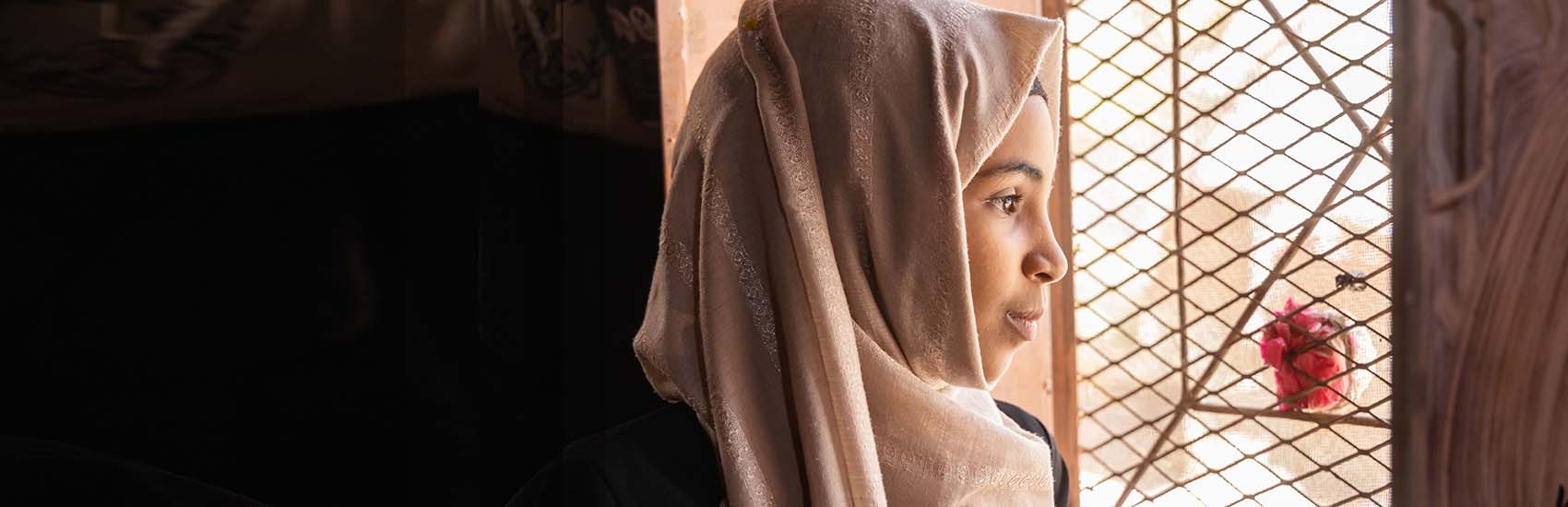
All children have a right to mental health and wellbeing
When disaster strikes, children's lives are turned upside down. Beyond physical safety, they need support to process trauma, regain stability and rebuild a sense of hope. Without timely, child-focused mental health and psychosocial support (MHPSS), the stress of a crisis can cause lasting harm to their learning, development and well-being.
Severe and prolonged stress can have serious long-term consequences, including disrupting children's development and learning and increasing the risk of physical health problems such as diabetes, heart disorders and mental health conditions in adulthood.
According to the World Health Organization, 8% of children and 15% of adolescents experience a mental disorder, yet most do not receive care.
Save the Children prioritizes children's mental health by embedding counseling, psychosocial support and referral services into education and child protection programs. This approach improves access to care while helping reduce stigma and discrimination around mental health.
How We're Providing Mental Health Support for Refugee Children and Families
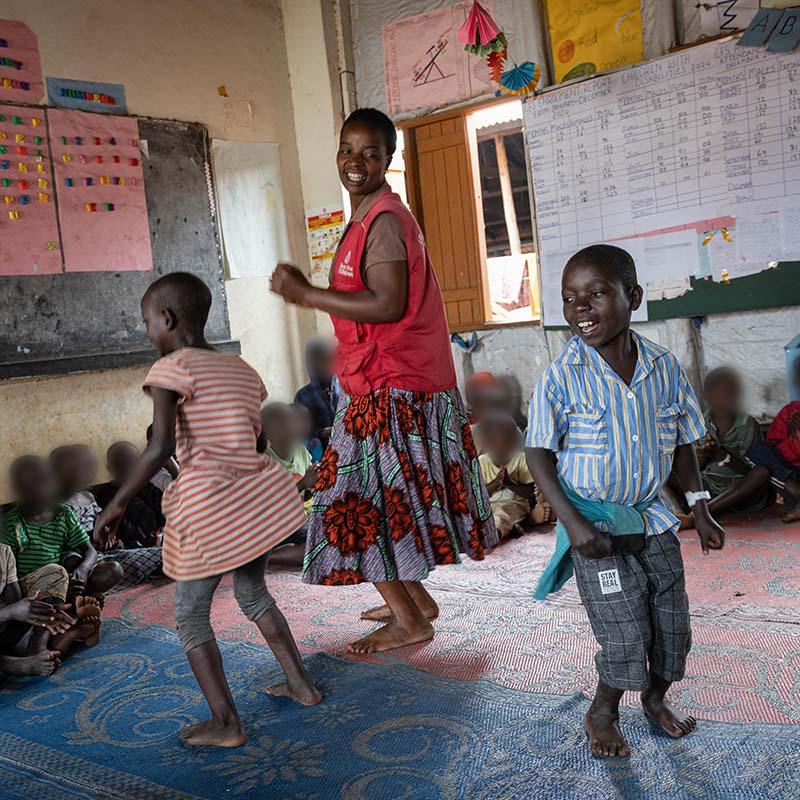
In Uganda, siblings who were displaced from the DRC due to conflict are dancing and playing in a child-friendly space with a Save the Children teacher as part of mental health programming and child protection.
In an instant, Sunda* and Jesca* were forced to flee their home in the Democratic Republic of Congo (DRC). They embarked on a difficult, week-long journey to find safety after violent gangs kidnapped Sunda’s husband and she lost contact with her other children.
“I walked on foot and eventually reached the border, where I took a car… I came running and didn’t have time to pack anything,” said Sunda as she described escaping the sudden violence in her village.
When they finally reach a camp or transit center, Save the Children is there. Our programs provide newly arrived families with food, shelter, access to education and mental health support.
“The difficult part for us here is sleeping on cement. We used to sleep on mattresses in our own homes, cover ourselves and stay warm. But here, we sleep crowded,” she said.
She also misses her husband, who was abducted when violence broke out. Her greatest wish is to find him again.
Despite the discomfort, Sunda is happy that Save the Children is providing her daughter with a safe space to learn, express herself and feel like a child again.
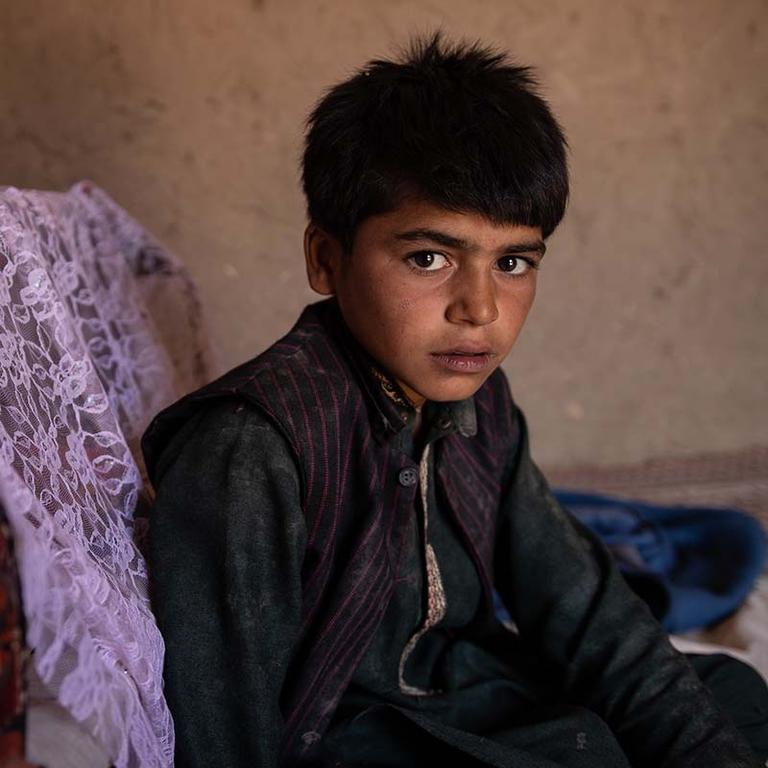
Through mental health and psychosocial support (MHPSS) and education programs, Save the Children has been able to help children better cope with their experiences. Our approach to MHPSS programming is often delivered through our Child-Friendly Spaces, safe spaces were children can redevelop emotional relationships. Some of the activities carried out include:
- The HEART (Healing and Education through the Arts) program was designed by Save the Children as a form of psychosocial support in which children benefit from learning to adapt and overcome the distressing situations they have experienced through arts-based group activities.
- Our Child Resilience work is a comprehensive programme that addresses children’s wellbeing in a holistic way, recognising that children’s wellbeing is influenced by their interaction with their parents or caregivers, their peers and others in their community.
- Psychological support delivered by psychologists which helps children and teenagers understand what is happening to them and cope with their feelings.

Save the Children has a proven track record of using donations efficiently and effectively to change children's lives. We are proud to have received an A- rating from CharityWatch and a 4-star rating from Charity Navigator, the highest score possible from America’s leading independent charity evaluator.
This recognition reflects our long-standing commitment to ethical governance, transparent operations, and fiscally responsible use of donor support.