


Help Children in the Middle East and Eurasia
Children in the Middle East are bearing the brunt of the world’s most brutal conflicts. Save the Children has a long history of working in the Middle East, responding to both humanitarian crises and long-term needs.
Despite progress, research from Save the Children’s 2020 Global Childhood Report shows that the Middle East has the highest number of children forcibly displaced by conflict, with Syria and Yemen being two of the most dangerous countries for children in conflict.
Thanks to donor support, we are responding to the immense needs of vulnerable children and families in the Middle East and Eurasia. We are also advocating for children’s rights to stay protected from the harms of conflict, including child trafficking, forced early marriage and child labor.
But we can’t do any of this lifesaving work without your support.
Explore Our Work for Children in the Middle East and Eurasia

Syria
After almost a decade of violence in Syria, at least 6.6 million people have had to flee their homes and are now internally displaced. Children and families are living in terrible conditions where basic services are almost non-existent. Essentials such as healthcare, education and clean water services have been destroyed. Save the Children is reaching the most vulnerable boys and girls in Syria, as well as in refugee-hosting countries.
LEARN MORE ABOUT OUR WORK IN SYRIA

Jordan
Besides Lebanon, Jordan hosts more refugees than any other country in the world. Life can be hard for child refugees living in Jordan. Child labor rates have roughly doubled compared to pre-crisis figures. Save the Children is running early childhood programs to help children prepare for school, and providing child-friendly spaces that give children the chance to learn, play and socialize.
LEARN MORE ABOUT OUR WORK IN JORDAN
Yemen
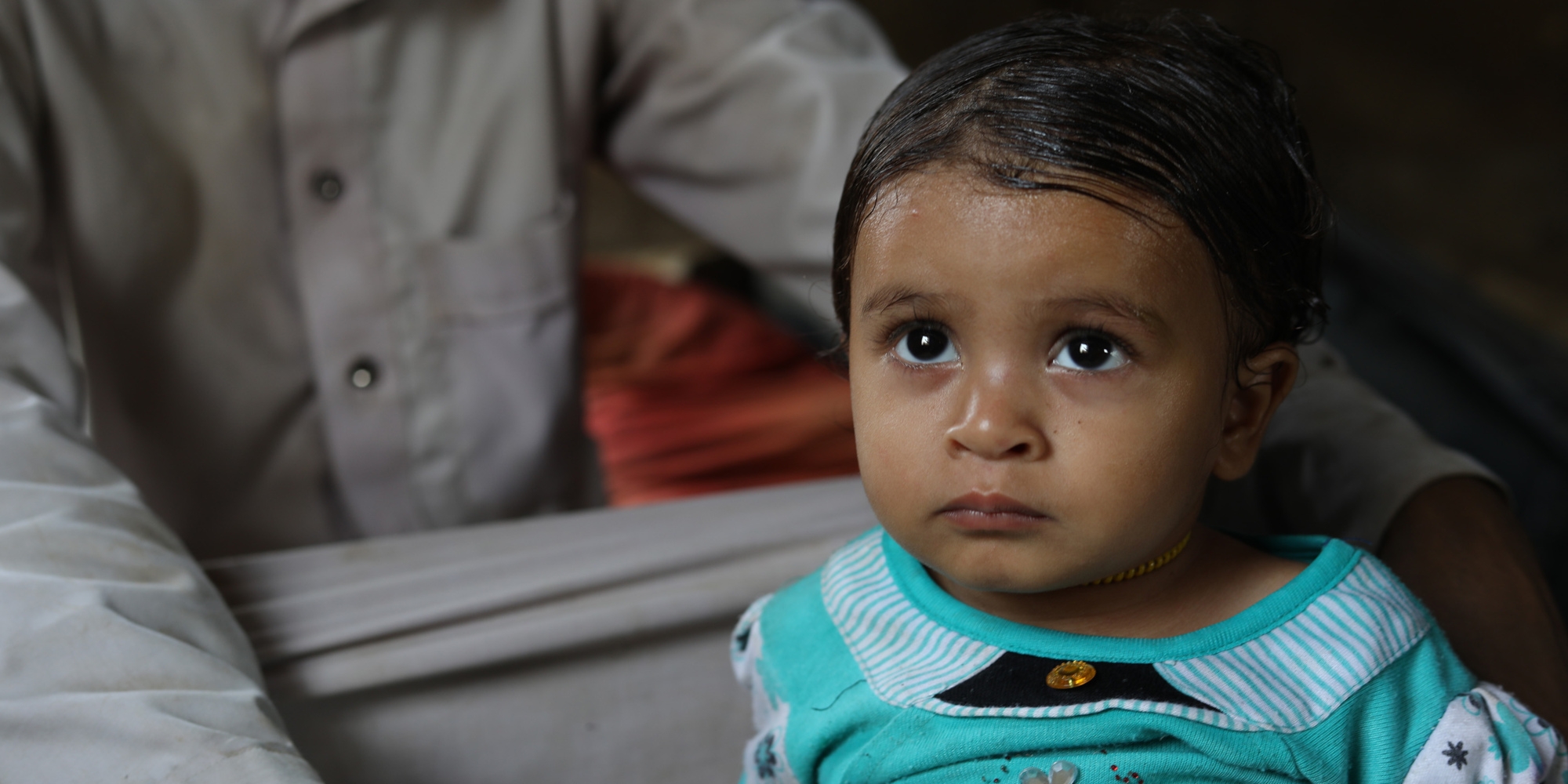
Life for children in Yemen – which was already the poorest country in the Middle East – has deteriorated into a living nightmare since conflict escalated more than five years ago. Children starve to death daily and are shelled and bombed in their homes and schools. Extreme hunger and disease are killing an estimated 100 children in Yemen every day. The healthcare system is on its knees with over half of medical facilities damaged or closed. Save the Children has been responding to the crisis since the outbreak and are working continuously to support families affected by the violence.
LEARN MORE ABOUT OUR WORK IN YEMEN

Lebanon
Since the outbreak of the war in Syria, Lebanon has taken in roughly 1.5 million registered refugees. Three in ten Syrian refugee girls in Lebanon between the ages of 15 and 19 are currently married. Save the Children has worked in Lebanon since 1953. We’re supporting children and families by providing education, shelter and child protection.
LEARN MORE ABOUT OUR WORK IN LEBANON

Iraq
Iraq is among the ten worst conflict-affected countries to be a child. Violent conflict severely disrupts access to education. In many countries, including Iraq, schools, teachers and students have been targeted for attack. In refugee camps in northern Iraq, many children have fallen behind in school, or have dropped out of school. To help them catch up on missed learning, Save the Children supports alternative learning centers, where children are provided with extra support.
LEARN MORE ABOUT OUR WORK IN IRAQ
Explore More About Where We Work in The Middle East and Eurasia
How to Help Children in the Middle East and Eurasia
There are so many ways you can help create change that lasts a lifetime for children in the Middle East and Eurasia.

Donate to Children in the Middle East
Support Save the Children’s mission. Donate to help children in the Middle East and Eurasia, as well around the world, survive and thrive.

Join Team Tomorrow
Join Team Tomorrow and your monthly donation will go toward addressing the needs of children affected by today’s most urgent issues.

Help Provide Basic Supplies for Refugees
Refugee basics bags are filled with essentials for those who have lost everything. By visiting our gift catalog and donating to provide basics bags and other critical needs for refugees, you are helping support lasting change for children and families.
Thank you for signing up! Now, you’ll be among the first to know how Save the Children is responding to the most urgent needs of children, every day and in times of crisis—and how your support can make a difference. You may opt-out at any time by clicking "unsubscribe" at the bottom of any email.
By providing my mobile phone number, I agree to receive recurring text messages from Save the Children (48188) and phone calls with opportunities to donate and ways to engage in our mission to support children around the world. Text STOP to opt-out, HELP for info. Message & data rates may apply. View our Privacy Policy at savethechildren.org/privacy.