
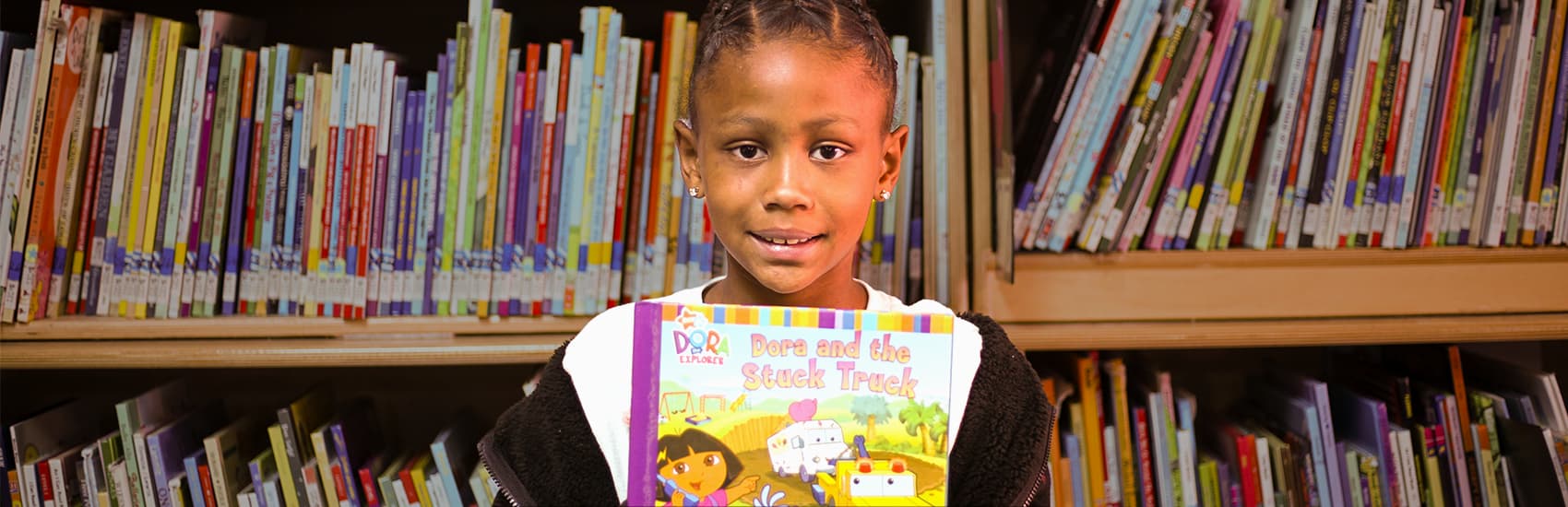
Supporting Children and Families in Rural Mississippi
Save the Children has worked with children and families across rural Mississippi for decades, partnering with schools, caregivers and local leaders as part of our broader work for children across the United States. Together, we help children get the education, nutritious food and support they need to learn, grow and thrive.
Known as the Hospitality State, Mississippi is shaped by close-knit communities stretching from the Delta to the Gulf Coast. Yet many children, especially those in rural communities, face persistent poverty, food insecurity, education gaps and economic challenges that can limit their opportunities.
Through education, food assistance and community-based programs, Save the Children works alongside Mississippi families and communities to help break down these barriers and give children stronger foundations for the future.
Our Impact in Mississippi
Here’s how we’re making a difference for children in Mississippi
28
We operate programs in 28 counties across rural Mississippi
53,000+
In 2025, we reached 53,000+ kids with education, food and emergency support
142,000+
We’ve delivered 142,000+ nutritious meals to children and families
20
We help students in over 20 schools build strong foundations
Want to learn more about Save the Children’s programs? Download our 2026 Fact Sheet for a closer look at how we partner with schools, early learning centers and community spaces in rural Mississippi.
Why Children in Mississippi Need Support
Poverty
- According to Save the Children’s Rural Child Well-Being Dashboard, Mississippi ranks #2 among 49 states in rural child poverty.
- 30.2% of kids in rural communities are growing up in poverty. .
Food Insecurity
- Mississippi ranks #7 among 49 states in rural food insecurity.
- 52% of rural children are eligible for free and reduced-price meals.
- Without access to nutritious food, many kids struggle to focus and attend school consistently.
Education Inequalities
- 47.5% of rural Mississippi communities are education opportunity deserts.
- 27.7% of rural K-12 students miss at least 10% of schooldays.
- For every child under 5, there are just .31 child-care centers within a thirty-minute drive.
Economic Instability
- 69.8% of rural Mississippi communities are job deserts.
- 57.3% of rural communities are social and economic opportunity deserts.
- Rural households spend a third of their income on transportation – the highest percentage in the nation.
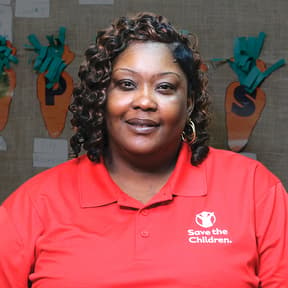
“Hope begins with opportunity. Every book read, every meal shared and every child supported brings Mississippi closer to a future where every child can thrive.”
- Yolanda Minor, Mississippi State Director
What Makes Our Work in Arkansas Unique
Thanks to trusted partnerships with families, communities, educators and donors, our programs in Mississippi are breaking down barriers and building brighter futures.
Geographic Week
Save the Children supports 28 Mississippi counties, reaching approximately 34% of the state. We work with school districts, state agencies and local partners in the highest-need rural areas – where education, workforce pathways and community services are limited.
Education & Early Learning
Our kindergarten readiness efforts reach nearly 900 children across 12 program sites. They’re using the Parents as Teacher (PAT) model, which promotes early learning through home visiting and family support.
We provide targeted grade-level support in 17 program sites, helping over 1,000 students succeed in school. Grounded in the science of reading, our literacy refinement model nurtures proficient readers and academic achievers.
Foster Grandparent Program
We operate the AmeriCorps Foster Grandparents program across 6 sites, connecting over 100 students with caring retirees who provide one-on-one encouragement, consistent mentorship and in-school support.
Food Security
Our two mobile food units traverse 12 counties to reach over 9,000 children. Every year, our community partnerships and local nutrition programs ensure more than 18,000 kids have the healthy food they need to thrive.
Emergency Response
We show up fast and stay as long as it takes when disaster hits – providing essential supplies, emergency cash assistance, psychosocial support and grants to help child-care centers rebuild.
Foster Grandparent Program
We connect Phillips County students with retired volunteers who provide one-on-one in-school reading support through the AmeriCorps Foster Grandparent Program.
Workforce Development & Community Impact
We lead workforce development initiatives in 9 counties, collaborating with 76 partners to help adults access training, credentials and career pathways that improve their families’ financial stability.
Focused on improving early learning outcomes, our Community Impact approach helps local leaders build cross-sector coalitions. Together, they ensure every child has the resources to thrive – regardless of their background or zip code.
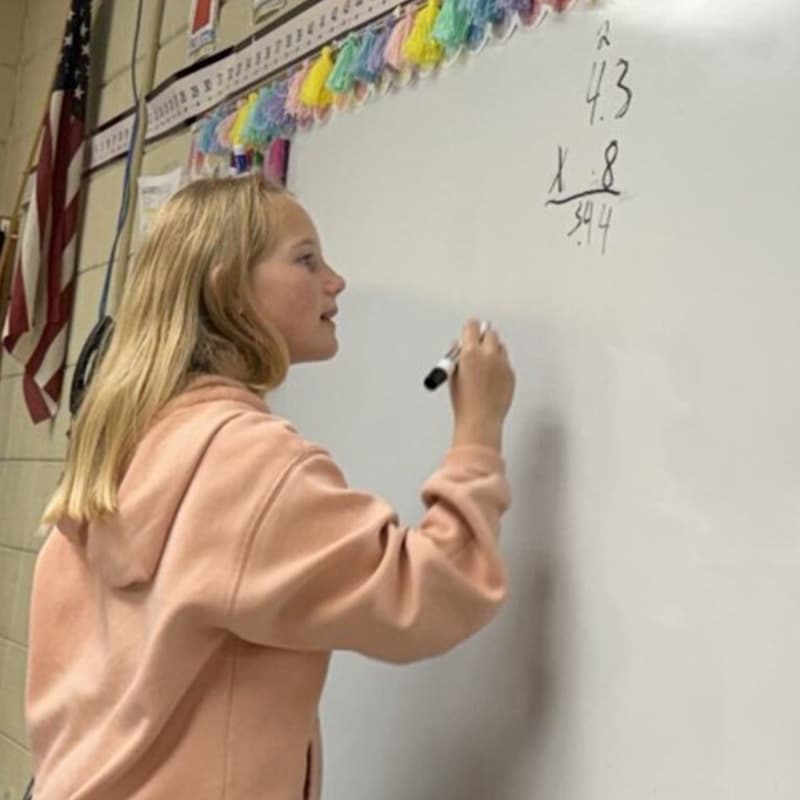
In Arkansas, a student writes on the board in a classroom.
Meet Ahmad
Ahmad wasn’t always a self-assured learner.
Struggling to read, this bright 6-year-old was falling behind his classmates – until he joined Save the Children’s in-school literacy program.
Small-group activities and targeted support helped Ahmad’s confidence soar, boosting his reading percentile by a whopping 22 points!
These days, Ahmad can’t wait to crack open a new book. "I love to read poems," he says with pride.
Where We Work in Mississippi
Save the Children supports children and families with direct and non-direct programming in counties across rural Mississippi, including:
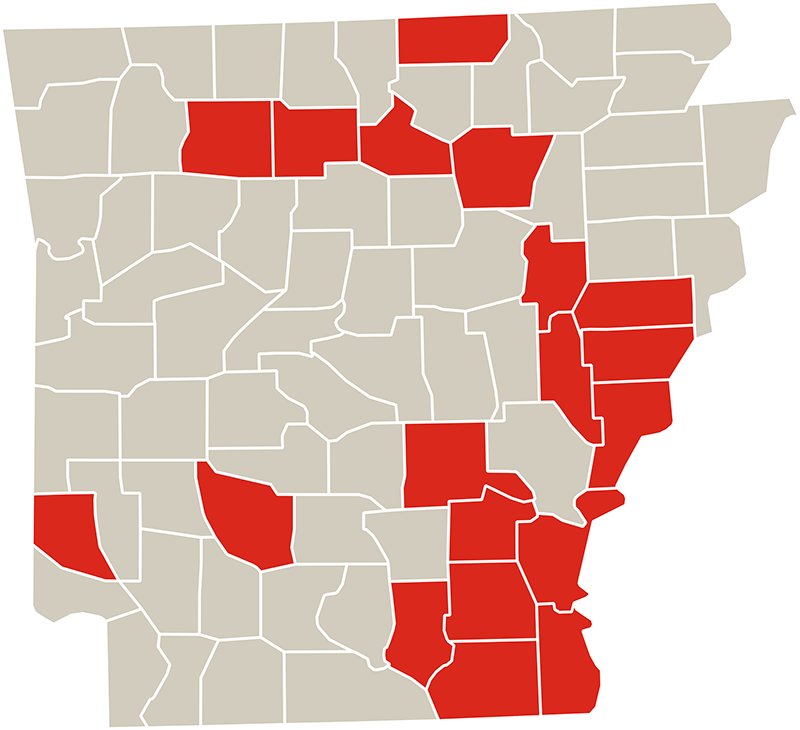
A map of the counties in Arkansas where Save the Children works.
Jefferson Davis County
Leake County
Marion County
Quitman County
Tallahatchie County
Walthall County
Washington County
Noxubee County
Coahoma County
Kemper County
Save the Children has a proven track record of using donations efficiently and effectively to change children's lives. We are proud to have received an A- rating from CharityWatch and a 4-star rating from Charity Navigator, the highest score possible from America’s leading independent charity evaluator.
This recognition reflects our long-standing commitment to ethical governance, transparent operations, and fiscally responsible use of donor support.
Updated: October 2026