
Colombia Earthquake: What to Know Right Now
- On the morning of August 10th, a powerful 7.4 earthquake struck western Colombia, causing significant damage across the Pacific Region, with tremors felt as far as Venezuela.
- This is the strongest earthquake to hit Colombia in a decade. The Colombian government has declared a national emergency and are still calling for funding and support.
- Approximately 1.9 million people live in the area most affected by the earthquake, and 406,113 people are reported to have been affected.
- Schools, hospitals and other critical public infrastructure have been severely damaged. 303 health facilities have been damaged, including many with maternity wards.
- Access to food, markets, and livelihoods has been impacted for over 400,000 people, many of whom are already facing hunger and poverty.
7.4
Magnitude of the earthquake
1.9M
People live in the area most affected
331
Number of deaths reported
How Save the Children Is Responding to the Colombia Earthquake

$400,000 Allocated Immediately
Save the Children allocated $400,000 from the Children's Emergency Fund to support the response. This funding was disbursed within six hours of the earthquake.

Head Version 2 SVG for web use
Responding in Affected Communities
Save the Children is launching emergency activities in Buenaventura, establishing safe spaces where children can access educational activities, mental health and psychosocial support and protection services.

Delivering Urgent Support
Teams are conducting rapid needs assessments, with hygiene kits already prepositioned and additional supplies being sourced. We plan to provide food assistance, nutrition kits and other essential support based on children's needs.
Humanitarian needs continue to grow in Colombia
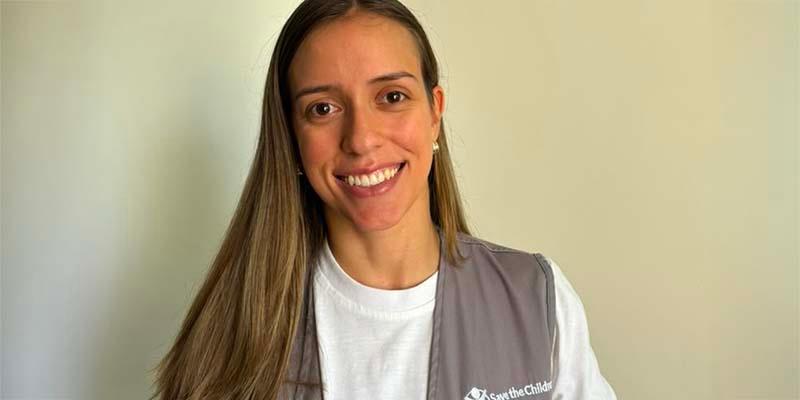
Following the devastating 7.4 magnitude earthquake in Colombia, Save the Children’s Country Director, Maria Mercedes, shares what our teams are seeing — and how they are responding to children’s most urgent needs.
Watch her update to learn how we’re helping provide food, safe drinking water, protection and more to families affected by this disaster.
How Your Support is Helping Children in Colombia
Your donation can help children and families affected by the Colombia earthquake while supporting Save the Children's ongoing work to help children survive, learn and stay safe. Your donation helps us:
Water, Sanitation & Hygiene (WASH)
Improve access to safe water, sanitation and hygiene while promoting hygiene practices.
Child Protection
Protect children from violence, neglect and exploitation through emergency support and programs that build resilience and life skills.
Education
Help children access quality, inclusive education by strengthening literacy, numeracy and social-emotional skills.
Food Security & Livelihoods
Provide families with opportunities for income generation, entrepreneurship and employability to strengthen household resilience.
Health & Nutrition
Improve access to essential health and nutrition services for women and children, including primary and maternal care, mental health support and malnutrition prevention and treatment.
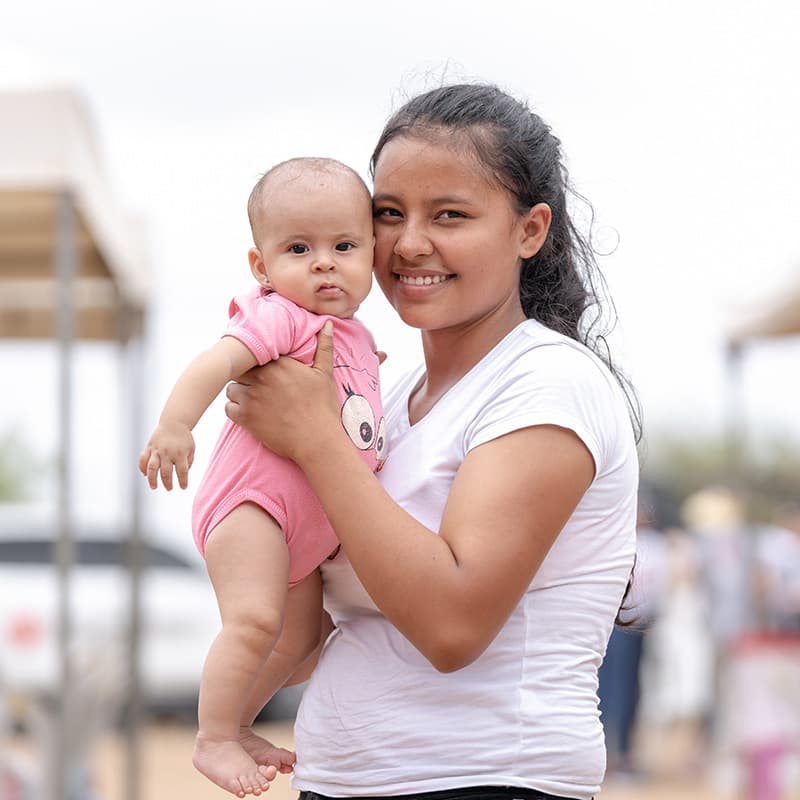
Rossy* holds her baby outside outside a mobile health unit at an informal settlement in La Guajira, Colombia

Save the Children has a proven track record of using donations efficiently and effectively to change children's lives. We are proud to have received an A- rating from CharityWatch and a 4-star rating from Charity Navigator, the highest score possible from America’s leading independent charity evaluator.
This recognition reflects our long-standing commitment to ethical governance, transparent operations, and fiscally responsible use of donor support.
FAQs and How To Help Children in Colombia
What happened in Colombia?
A powerful 7.4 earthquake ripped through western Colombia, causing significant damage across the Pacific Region, with tremors felt as far as Venezuela. The earthquake struck Monday morning while many families were still home or on their way to school or work. It is the strongest earthquake to hit Colombia in a decade, and the Colombian government has declared a national emergency.
So far, 331 people have been reported killed, including children, 4,519 people have been injured, and at least 240 people are still missing. Approximately 1.9 million people live in the area considered most affected. The situation remains fluid, and the full extent of the destruction and casualties will take time to become clear.
How many people were affected by the Colombia earthquake?
- Approximately 1.9 million people live in the area considered most affected by the earthquake, and 406,113 people are reported to have been affected
- At least 134,341 homes have been damaged or destroyed
- Schools, hospitals and other critical public infrastructure have been severely damaged, disrupting essential services for communities
- 303 health care facilities have been damaged, including many with maternity wards
- Water and sewage systems have been affected, meaning access to these services is limited for 824,329 people
- Access to food, markets, and livelihoods has been impacted for over 400,000 people, many of whom were already facing hunger and poverty
How have children been affected by the earthquake?
- Children and families urgently need safe drinking water, food assistance, hygiene supplies, emergency shelter and healthcare.
- The crisis has affected access to education for 1,014,876 children, with 4,290 schools and learning facilities damaged.
- In some of the hardest-hit areas, 9 in 10 students attending affected schools have no alternative learning spaces available, leaving them in need of safe spaces, education support and psychosocial care.
- There are 1,146 children currently staying in informal shelters. Children who have become separated from their families during the emergency face additional
vulnerabilities and urgent protection concerns. - We have seen first-hand that children are experiencing significant emotional distress following the earthquake. Alongside the loss of homes, schools and community spaces, many children are living with uncertainty and fear.
How is Save the Children responding to the Colombia earthquake?
Save the Children immediately allocated $400,000 from the Children's Emergency Fund, with funding disbursed within six hours of the earthquake. So far, we have reached more than 2,934 people, including 1,293 children, with our efforts.
So far, our outreach has included:
- We have distributed 500 food packages, helping to ensure 1,927 people who were impacted by the earthquake have access to a healthy meal.
- We have distributed 50 hygiene kits, and 157 shelter kits helping 1,347 people, prioritizing areas impacted by heavy rainfall.
- Establishing safe spaces where children can participate in recreational and educational activities, access mental health and psychosocial support, and receive protection services.
- We are also conducting rapid assessments, coordinating with teams and partners in affected and nearby areas, and working to source additional supplies.
How can I help children affected by the Colombia earthquake?
Investing in our Children’s Emergency Fund (CEF) is one of the fastest and most effective ways
to support children affected by the earthquake in Colombia.
What is the Children's Emergency Fund?
Our Children’s Emergency Fund means we can act as soon as a crisis hits, and deliver lifesaving support wherever it is needed, when it matters most. It means we have funds ready for when a disaster strikes, so we don’t have to wait to reach children in crises.
Related News About the Colombia Earthquake
Updated: September 10, 2026