Latest: Nepal Flash Flood Emergency
Updated October 11, 2026
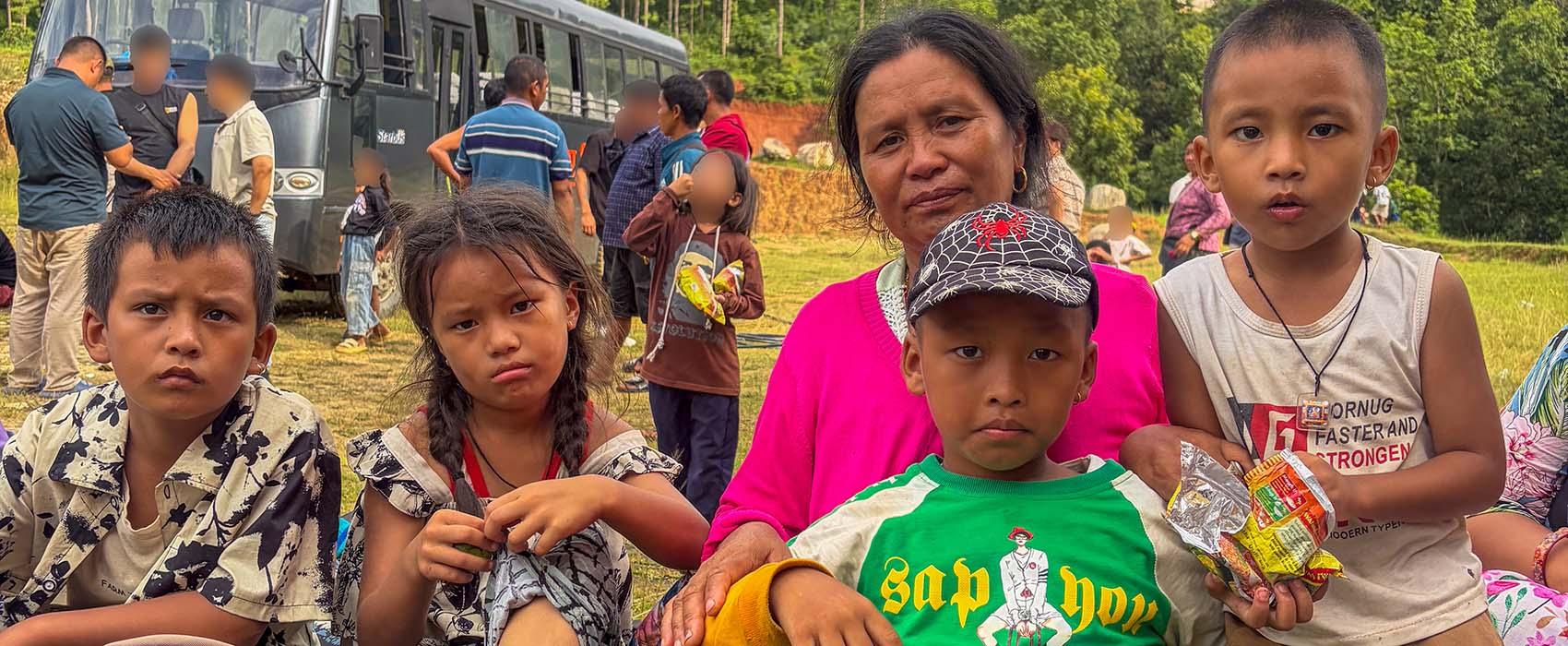
Just over a month after catastrophic floods devastated northern Nepal, children and families are facing another flood emergency. New flash floods have swept through Gorkha district, damaging homes and bridges and forcing families to flee in search of safe shelter and essential supplies. Authorities are still assessing the full scale of the disaster.
Save the Children is mobilizing an emergency team and working alongside national and local authorities to identify immediate and longer-term needs. Teams are preparing life-saving assistance, including shelter materials, blankets, floor mats, mosquito nets, kitchen sets and hygiene supplies.
How Save the Children Is Responding

Emergency teams mobilizing
Teams are assessing needs and preparing support for children and communities affected by the latest floods.

Life-saving supplies
Planned assistance includes shelter materials, blankets, mosquito nets, kitchen sets and hygiene supplies.

Long-term recovery
Save the Children is supporting education, child protection, mental health, clean water and sanitation while communities recover.
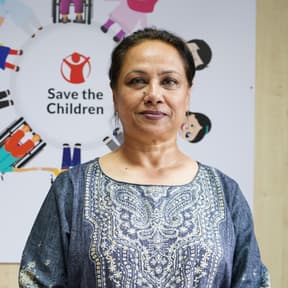
"Children are always among the most vulnerable in the aftermath of disaster. We are yet to see the full scale of the damage, but they may have lost their homes, schools and communities. Many children in Gorkha will still be in shock and distress after the mega floods in August, barely having a chance to get back on their feet."
"We know that the damage caused by floods to roads, bridges and infrastructure will make it more difficult to reach communities with vital supplies – but our teams are working alongside authorities to do everything we can."
-Tara Chettry, Country Director for Save the Children in Nepal
How Save the Children Is Helping Children in Nepal
Before the latest flooding, Save the Children was already supporting children and families affected by the August disaster. By October 8, teams had reached nearly 8,000 people, including more than 2,200 children, with emergency assistance and support. That work has included:
Emergency shelter and household supplies
Providing shelter materials, blankets, floor mats, mosquito nets, kitchen supplies, hygiene kits, baby kits and other essential items for affected families.
Support for children separated from their families
Strengthening family tracing and reunification services and working with authorities to identify and protect children at risk. Earlier in the response, more than 69 separated children were reunited with parents or legal guardians.
Safe spaces and mental health support
Operating Child-Friendly Spaces where children can safely learn, play and receive mental health and psychosocial support, including Psychological First Aid.
Education and temporary learning
Establishing temporary learning centers and providing education supplies to help children return to learning where schools and communities have been disrupted.
Clean water, sanitation and hygiene
Providing safe drinking water, hygiene supplies and sanitation support, including assistance designed to reduce health risks in crowded temporary shelters.
Aid for cut-off communities
Working to deliver baby supplies, hygiene and dignity kits, and school kits by drone to mountainous communities that remained difficult to reach after roads and bridges were damaged.
Assessment and longer-term recovery
Coordinating with national and local authorities to understand immediate and long-term needs and preparing to scale the response as more information becomes available.
Save the Children has a proven track record of using donations efficiently and effectively to change children's lives. We are proud to have received an A- rating from CharityWatch and a 4-star rating from Charity Navigator, the highest score possible from America’s leading independent charity evaluator.
This recognition reflects our long-standing commitment to ethical governance, transparent operations, and fiscally responsible use of donor support.
Save the Children US CEO Speaks with CNN About Flash Floods in Nepal
Nepal Flash Floods: Frequently Asked Questions
What is happening in Nepal right now?
New flash floods struck Gorkha district in northern Nepal on October 11, reportedly sweeping away homes and bridges. Families have been forced to flee, and authorities are still assessing the full scale of the damage and casualties.
Is this the same emergency as the August flash floods?
No. This is a new set of flash floods affecting an area that was also impacted by the devastating August disaster. Communities in Gorkha had only begun recovering when the latest flooding struck
How is Save the Children responding?
Save the Children is mobilizing an emergency team, coordinating with authorities and preparing essential assistance including shelter materials, blankets, household supplies, mosquito nets and hygiene kits.
How did Save the Children respond to the August floods?
Save the Children provided emergency relief, child protection, family reunification, temporary learning, psychosocial support, clean water and hygiene assistance. Teams also used drones, in coordination with the Nepal Army, to help reach isolated communities.
How long has Save The Children been working in Nepal?
Save the Children has worked in Nepal since 1976, partnering with government ministries and communities at the local, district and national levels to improve children's health, education and protection. We're the largest child-focused charity in the country. Because Nepal faces frequent natural disasters, from the devastating 2015 earthquake to recurring monsoon floods and landslides, we also run disaster risk reduction programs and preposition emergency supplies year-round so we can respond quickly when a crisis like this one hits.
Latest News About the Nepal Flash Floods
Updated: October 11, 2026 | This page will be updated as the situation develops.