Why Children Need Help Right Now
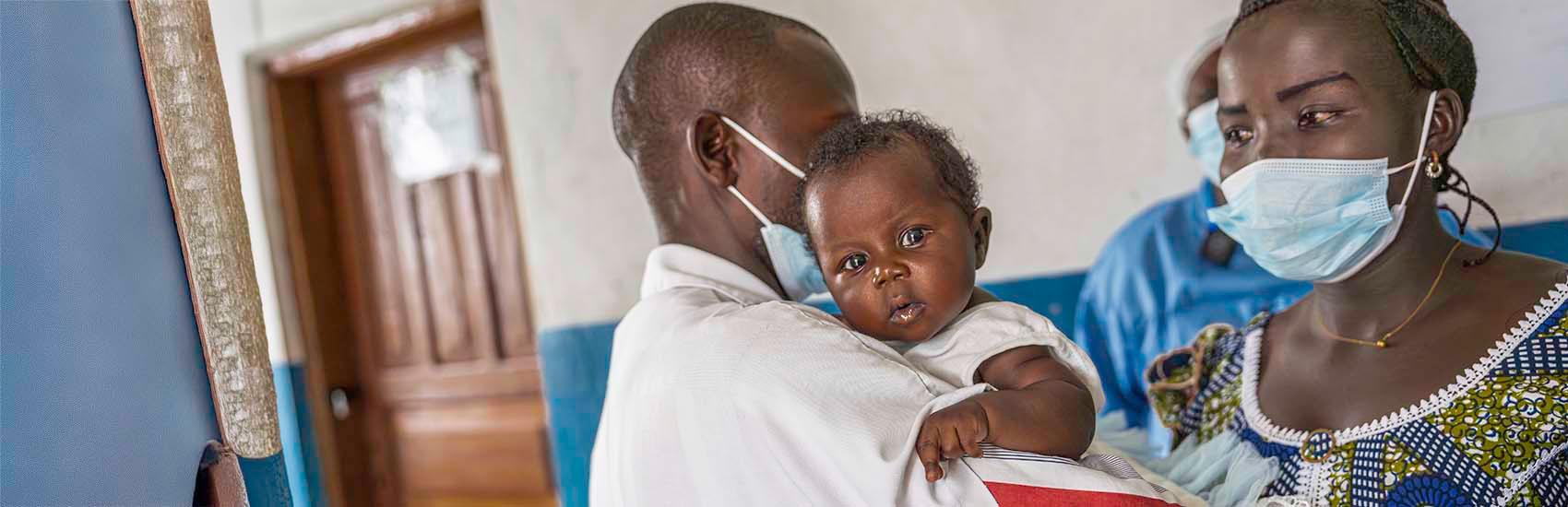
A fast-moving Ebola outbreak in eastern Donate to Help Children in the Democratic Republic of the Congo has killed more than 100 people and spread into Uganda. Children are particularly vulnerable if they lose one or both of their parents or primary caregivers to the illness.
The outbreak is unfolding in communities already affected by conflict, displacement and weak health systems, making children especially vulnerable.
1,000+
Reported and suspected cases of Ebola
15,000
Students that are currently in active transmission zones
15 Million
People in the DRC in need of humanitarian assistance
Why This Ebola Outbreak Is Different
Unlike previous Ebola outbreaks, this emergency is unfolding under some of the most challenging conditions in recent history.

A Different Ebola Strain
The outbreak is caused by the Bundibugyo strain, which has not been seen at this scale in years.

No Approved Vaccine
Unlike previous outbreaks, there is currently no approved vaccine available for this strain.

Conflict Is Fueling the Crisis
The outbreak is spreading in areas affected by violence and insecurity, making it harder for health workers to reach families.

Millions Have Been Displaced
Population movement and displacement increase the risk of transmission across communities and borders.
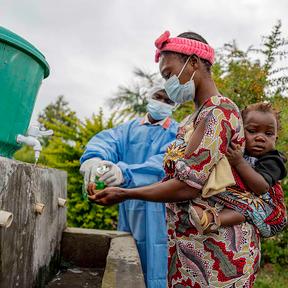
“This outbreak is moving at a terrifying speed. I have responded to several Ebola outbreaks over the years, but this is the fastest spread I have ever seen. Children are paying a devastating price."
“When parents die, children suddenly lose the biggest support system they could possibly have and face fear, grief, stigma, and social exclusion."
-Dr. Babou Rukengeza, Save the Children’s Ebola Response Lead in the DRC
How Your Support Helps Children Impacted by the Ebola Outbreak
As Ebola spreads across communities in the Democratic Republic of the Congo and Uganda, children face the loss of caregivers, interruptions to their education, and increased risks of family separation, trauma and exploitation. Save the Children is responding alongside local partners, governments and health authorities to help stop the outbreak and protect children and their families.
Protecting Children's Health
We are supporting health facilities with triage and isolation areas, training health workers, strengthening disease surveillance and contact tracing, and delivering essential medical supplies to help contain the outbreak and save lives.
Preventing the Spread of Disease
We are providing clean water, sanitation and hygiene support in health facilities and communities, helping reduce transmission risks and protect children and families from infection.
Keeping Children Safe
Children affected by Ebola may lose caregivers, become separated from family members or experience severe emotional distress. We are helping reunite families, providing mental health support, and working to prevent risks such as child labor and early marriage.
Supporting Learning and Recovery
We are helping schools remain safe through hygiene measures and teacher training while providing children with trusted health information and alternative learning opportunities if schools close.
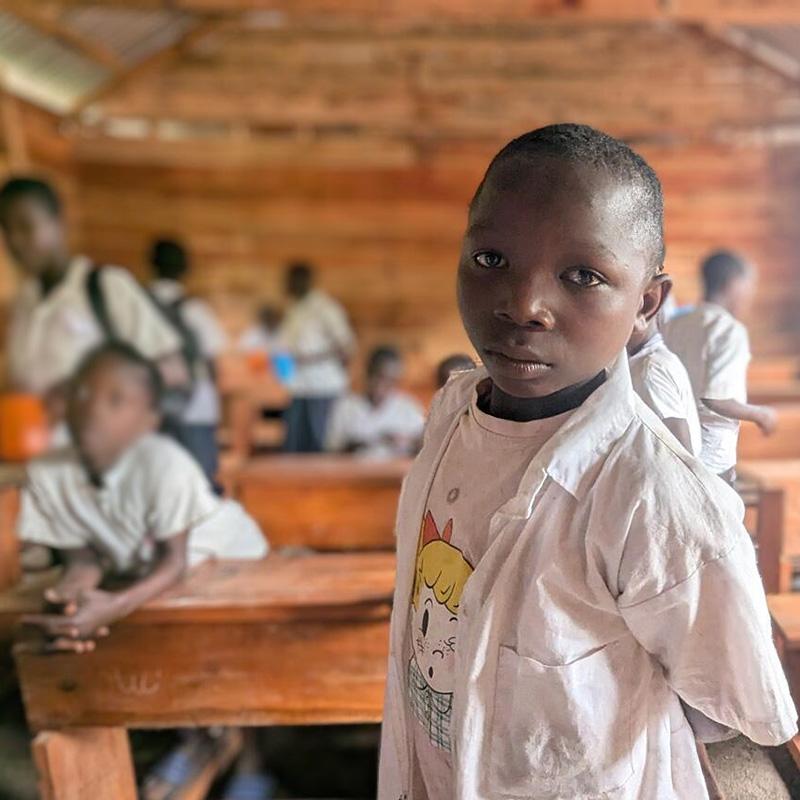
Patrick*, 14, stands in class
Save the Children has a proven track record of using donations efficiently and effectively to change children's lives. We are proud to have received an A- rating from CharityWatch and a 4-star rating from Charity Navigator, the highest score possible from America’s leading independent charity evaluator.
This recognition reflects our long-standing commitment to ethical governance, transparent operations, and fiscally responsible use of donor support.
Ebola Outbreak FAQs: Where It’s Spreading and What to Know
What is happening in the current Ebola outbreak?
A rapidly growing Ebola outbreak is affecting communities in eastern Democratic Republic of the Congo (DRC) and has spread into neighboring Uganda. More than 1,000 cases have been reported, raising concerns about wider regional transmission and placing additional pressure on already fragile health systems.
Children are among the most vulnerable, facing the direct risk of infection as well as disruptions to healthcare, education and family support systems.
Save the Children is responding alongside local partners, governments and health authorities to help contain the outbreak, support affected families and protect children from its devastating impacts.
Why is this Ebola outbreak different?
This outbreak is caused by the rare Bundibugyo strain of Ebola virus, which presents unique challenges for health workers and communities. Unlike some previous Ebola outbreaks, there is currently no approved vaccine available for this strain, making prevention, surveillance and early treatment even more critical.
The outbreak is also unfolding in areas affected by conflict, population displacement and limited access to healthcare. These conditions can make it harder to identify cases, trace contacts and reach families with lifesaving support, increasing the risk of further spread.
How did the current Ebola outbreak start and spread?
The first cases in the current outbreak are believed to have occurred in late April 2026 in Ituri Province. However, confirmation was delayed because samples had to be transported over 1,800 kilometers for testing.
During that time, the virus spread through:
- Close contact with infected individuals
- Caregiving and health settings
- Burial practices
Delayed detection allowed transmission to expand in both communities and health facilities.
What are the symptoms of Ebola?
Common symptoms of Ebola include:
- Fever
- Vomiting and diarrhea
- Weakness and muscle pain Internal and external bleeding
Those most at risk include:
- Health workers
- Family caregivers
- Children who depend on infected adults
Women and girls are often disproportionately affected because they are more likely to care for sick relatives.
How is the Ebola outbreak affecting children?
In places like DRC, Ebola doesn’t just threaten health—it disrupts every part of a child’s life.
- Children can lose parents or caregivers
- Schools may close or become unsafe
- Stigma and fear can lead to isolation In past outbreaks, tens of thousands of children lost a parent or caregiver, leaving long-term impacts on their safety and well-being
In past outbreaks, tens of thousands of children lost a parent or caregiver, leaving long-term impacts on their safety and well-being.
How do conflict and displacement increase the spread of Ebola?
The outbreak is occurring in parts of eastern DRC that have been affected by years of conflict and large-scale displacement. Millions of people have been forced from their homes, and many communities face limited access to healthcare, clean water and other essential services.
Frequent movement between communities, insecurity and challenges reaching remote areas can make it more difficult to identify cases and stop transmission. These conditions also increase the burden on families already coping with multiple crises.
How Save the Children is responding to the Ebola Crisis?
Save the Children is working across DRC and Uganda to help contain the outbreak and support children and families affected by the crisis.
Our response includes supporting health facilities with triage and isolation areas, strengthening disease surveillance and contact tracing, providing infection prevention supplies, and helping communities access trusted health information. We are also helping keep children safe through child protection services, mental health support, family reunification efforts and education programs that help children continue learning during the emergency.
Save the Children's World Health Organization-accredited Emergency Health Unit has been deployed to support frontline response efforts and strengthen lifesaving healthcare services.
What are the biggest challenges facing the Ebola response?
Responding to this outbreak is especially difficult because it is occurring in areas affected by conflict, displacement and weak health systems. Humanitarian organizations face challenges reaching some communities, while shortages of supplies and limited resources can slow response efforts.
The absence of an approved vaccine for the Bundibugyo strain adds another layer of complexity. Misinformation, fear and community mistrust can also make it harder to identify cases and encourage people to seek care early. Continued support is essential to help stop the spread of Ebola and protect children and families from further harm.
How can donations help children impacted by Ebola?
Donations to the Ebola Crisis Relief Fund can help Save the Children provide lifesaving support to children and families affected by the Ebola outbreak.
Support can help fund emergency healthcare, infection prevention supplies, clean water and sanitation services, child protection programs, mental health support, education assistance and nutrition services. Donations also help families access critical information that can prevent the spread of disease and keep children safe during the crisis.
Every contribution helps strengthen the response and reach more children with the support they need.