Help Children in Nicaragua
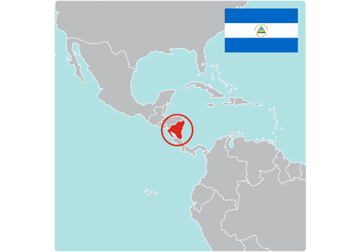
Nicaragua, officially the Republic of Nicaragua, is the largest country in Central America. Once under Spanish rule, the country gained full independence in 1838. Today, Nicaragua is struggling to overcome decades of dictatorship, civil war and natural disasters, which have left it one of the region’s poorest countries.
Nicaraguans are proud of their country’s multi-ethnic population, rich cultural traditions and diverse ecosystems. But without help, families sorely lack the means to give their children the very basics they need to survive, thrive and someday become their country’s future leaders.
Challenges for Children in Nicaragua
Living in poverty – many girls forced to become wives and mothers well before they’re ready – Nicaragua’s children need your help.

1 child in 56 dies before their 5th birthday, 3 times the U.S. rate

17% of children suffer from stunting due to malnutrition

12% of children are out of school

5 in every 1,000 children is murdered

30% of people live in poverty
Our Results for Children in Nicaragua
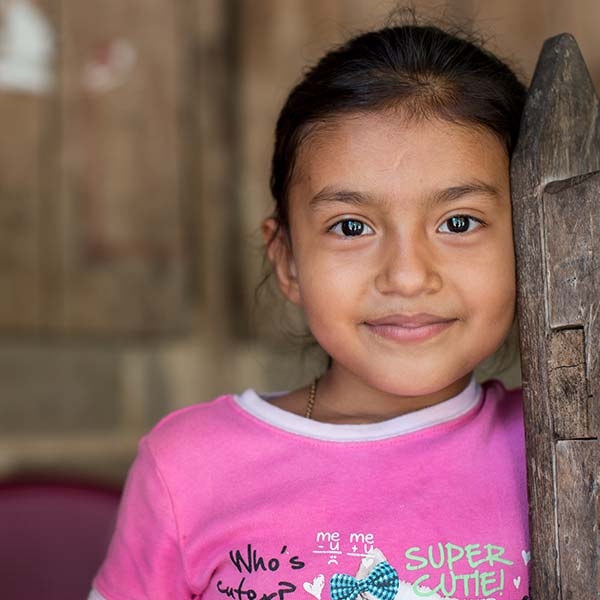
Thanks to you, little Manela, age 6, has a role model in her big sister, who is participating in our youth livelihoods program – learning a trade, contributing to her family and becoming a leader in her community.

3,610,000 children healthy and nourished

285,000 children educated and empowered

109,000 children protected from harm

4,000 children lifted from poverty

326,000 children aided in crisis
Our Work for Children in Nicaragua
Since 1980, Save the Children has been a leading charity for children and families in Nicaragua. We promote children’s rights to education, to health and to a life without violence. Our approach is based on the participation of children, their families and their communities in their own development.
Our work focuses improving maternal, infant and child health, working in partnership with government ministries to reach children living in remote and rural communities.
Our generous donors help support important programs such as monitoring growth rates, vaccinations, distributing vitamins, and educating young people about proper hygiene and sanitation. Our health experts train community health workers to treat the most common childhood diseases including diarrhea, malaria and pneumonia – saving countless lives. We also work to address children’s education, protection and emergency response needs.
In addition, we work to strengthen public institutions and establish monitoring systems to ensure the fulfillment of child rights at the local and national levels, including ensuring children’s voices are respected and heard.
Here are some recent examples of our work:
A healthy start in life
- We've coordinated with the Ministry of Health to reduce child mortality, which has involved training, supplying and supervising community health workers (called brigadistas) to manage sick children who have limited access to facility-based health service
- We’re working with local organizations and the Ministry of Health to prevent HIV through efforts that combine health services with community action, using a family and community health model, including peer education activities for HIV prevention and individual counseling
- We’re working with the government and civil society to guarantee a child’s right to a name and nationality by promoting birth registry
The opportunity to learn
- We’re working with local partners and the Ministry of Education to improve education access and quality, with a concentration on young students, as well as prioritizing the inclusion of children with disabilities
- We’re developing early education methodologies that encourage the use of creative arts and recreational reading, and that promote children’s active learning
- We’re working with rural populations to implement combined initiatives that mobilize communities and promote women’s participation through local food security groups, working to reduce malnutrition by increasing crop yields, improving basic grain storage, diversifying production of crops with high economic and nutritional value, involving women to strengthen their management skills, and connecting beneficiaries to profitable value chains
- We’re also contributing to an increased understanding of market opportunities, credit systems, and the promotion of technologies among producers, which allows families to climb the ladder of food security by taking advantage of their skills and available resources
Protection from harm
- We’re working with the government and civil society, as well as children themselves, to ensure child protection policies are developed, implemented and monitored, including those regarding the threat of trafficking and organized crime targeting adolescents, especially girls
How to Help Children in Nicaragua
Donate
Support Save the Children’s mission. Donate to help children in Nicaragua and around the world grow up healthy, educated and safe.
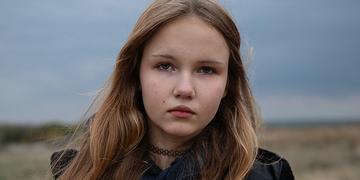
Join Team Tomorrow
Join Team Tomorrow and your monthly donation will go toward addressing the needs of children affected by today’s most urgent issues.
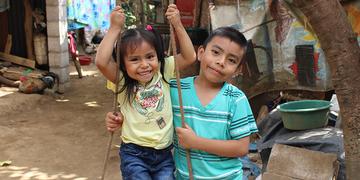
Browse the Gift Guide
Give a meaningful gift that will help transform children’s lives and futures in Nicaragua and beyond. There’s something for everyone!
Sources: Facts and statistics have been sourced from Save the Children’s monitoring and evaluation experts, as well as our thought leadership publications, including our Global Childhood Report 2020 and Stop the War on Children 2020 report. Other sources include CIA World Factbook and BBC Country Profiles.
Photos: Susan Warner / Save the Children / 2016