
Family Emergency Preparedness Plan
Get Your Family Ready and Safe.
When a disaster strikes or a crisis breaks out, your first thoughts are often of family – especially your little ones. That’s why Save the Children launched Get Ready. Get Safe. This pioneering program helps U.S. families and communities prepare to protect and care for the most vulnerable among us in times of crisis – our children.
We’ve prepared these simple tips to answer the pressing question:
How do you create an emergency preparedness plan for your family?
With the generous support of people like you, our emergency teams provide immediate relief for children and families facing disasters and crises.
Prepare Your Family for Emergencies with These Prep Steps



More Disaster Preparedness Tips and Resources
When disaster strikes, children are the most vulnerable. When the people, places and routines they depend on for safety and wellbeing are affected by upheaval, children cannot adjust on their own.
Yet, parents or guardians may be overwhelmed addressing the needs of their whole family’s recovery. Child care centers and schools may be damaged, destroyed or used as shelters. At the same time, children are not just little adults. Infants, toddlers and children require special care and supplies at times of emergency.
Children are also most likely to suffer long-term developmental, physical and psychological setbacks following a disaster. Preparing ahead of time to meet children’s unique needs at times of disaster is critical to their protection.
Make Disaster Preparedness Fun with a Prep Rally
Are you ready for some fun! Lead a Prep Rally- a FREE turnkey emergency preparedness program for children in preschool, kindergarten and elementary school. Covering basic Prep Steps the
Perfect for afterschool, summer camp or child care program the Prep Rally makes disaster preparedness fun and accessible. Get your kit today and help kids get ready and get safe.
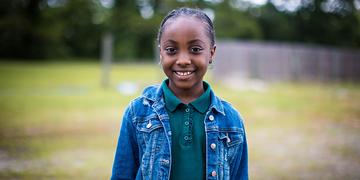
9-year-old Brooklyn stands outside of her school.
Emergency Preparedness Activities for Children
Save the Children, America’s leading expert on emergency response for young children, has created resources for your and the kids in your life. You can do your Disaster Prep Rally the way you want- whether it’s an hour program, a Prep Rally Day, a preparedness-themed week, or part of a community celebration. Girls and boys who participate in these kid-friendly activities will learn:
- Recognizing Risks
- Emergency Contacts
- Making a Plan
- Packing a Go-Bag
- Being Safe in a Disaster
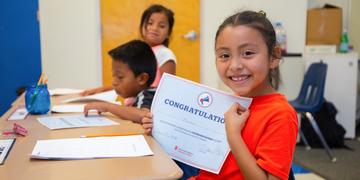
Disaster Prep Rally Lesson Books and Resources
- Preschool
- Grades K-2
- Grades 3-5
- Camp Guide
- Preschool- Espagnol
- Grades K-2 Espagnol
- Grades 3-5 Espagnol
- Reading to Ready Book List
- Disaster Flashcards
- Event Flyer
To learn more contact [email protected]
Our Work Preparing for Disasters in the United States
Save the Children has been on the front line of every major disaster in America since Hurricane Katrina in 2005. We keep kids safe, securing the future we share. Creating a safe haven for children to work through their emotions. Providing the coping skills to help reduce the effects of disasters on young minds. Because we want our kids to just be kids, no matter what happens.
Get Ready. Get Safe
Our pioneering program, Get Ready Get Safe is an initiative designed to help US communities prepare to protect and care for the most vulnerable among us in times of crisis – our children. We help generate child-focused emergency plans, provide emergency training and ensure emergency resources are in place before crisis strikes.
To learn more contact [email protected]
Historical Emergency Responses in the U.S.
From our very beginnings, Save the Children has made it our mission to save the lives of boys and girls in danger around the world. In times of crisis, we’re always among the first to respond, working to keep children safe and staying to help families rebuild their lives. Read more about our history responding to hurricane and other disasters.