Save the Children Home  |  Media Center  |  Sponsor Login  |  
Donate Button - Top Nav

Results for Children

Email Sign-up


Matching Gift

Your donation could go up to 4 times further.

Find Out How

Sponsor a Child

Through child sponsorship, two lives are changed forever: yours and the life of your sponsored child.Through child sponsorship, two lives are changed forever: yours and the life of your sponsored child.


Spotlight

Mom's the Word

Celebrating Motherhood’s Wins, Big or Small

What's a Mom Win?

Featured Corporate Partner for Change
Partners for Change

Read-a-palooza logo


Summer Reading: American Girl Joins Save the Children in Spreading the Love of Books to Kids Across America

Read More

Domestic Disaster Support

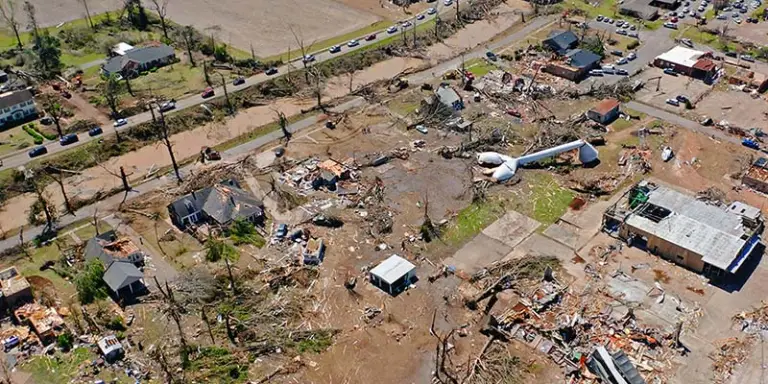
Save the Children responds directly to communities in the U.S. when significant numbers of children are affected in a disaster, working to address unmet needs of children and implementing our signature program, Child-Friendly Spaces. During emergencies, we create designated areas in community gathering places and shelters where children can play, socialize, and begin to recover. This program reduces the impact of the disaster and supports children’s natural ability to bounce back. Hundreds of prepositioned kits full of toys, games and books needed to create Child-Friendly Spaces are in strategic locations throughout the United States of America

Save the Children has learned that simple, low-cost and no-cost improvements to the design and location of emergency evacuation shelters, local assistance centers and other locations where children and families congregate before, during and after disasters and emergencies can dramatically improve the safety and well-being of children and adults who live in them. Although these sites are intended to be temporary, addressing and improving residents’ quality of life is important. Below are best practices that address children’s unique needs and promote child safety and well-being while in temporary locations.

PDF Child-Friendly Spaces (PDF)

PDF Disaster Decade Lessons (PDF)

PDF Child Safety Guidance (PDF)

Preparedness

Save the Children’s extensive experience on the ground during countless disasters around the world has proven that preparedness can make a real difference. Our disaster experts focus on key areas to help ensure children’s safety and wellbeing through planning and readiness training. Save the Children has learned that simple, low-cost and no-cost improvements to the design and location of emergency evacuation shelters, local assistance centers and other locations where children and families congregate before, during and after incidents can dramatically improve the safety and well-being of children and adults who live in them. Although these sites are intended to be temporary, addressing and improving residents’ quality of life is important. Below are best practices that address children’s unique needs and promote child safety and well-being while in temporary locations.

Emergency Preparedness Workshops for Children and Technical Guidance for Emergency Planners and Shelter Managers: Save the Children is helping care providers, emergency planners and communities prepare to safeguard children during and after disasters. These preparedness efforts ensure that there is an informed voice for the needs of children both in shelters during an emergency and within the affected community once recovery efforts begin.

Read more:

PDF Children in Emergency Planning Guide (PDF)

PDF Resilient and Ready Communities (PDF)

Recovery

Rebuilding Child Care: Save the Children supports the recovery of organizations families depend on, like afterschool programs and child care centers. These are essential services for families as parents cannot return to work or start to rebuild their lives if a disaster destroys the child care facilities upon which they depend.

Helping Kids Recover: Disasters may be overwhelming to children and their parents and often, they need help to relieve stress and fear and recover from the effects of the emergency. Save the Children has created a series of community and school-based programs to help children and their adult caregivers to recover emotionally after a disaster. As the success of these programs becomes more and more apparent, increasing numbers of schools, child care providers, parents, and teachers look directly to Save the Children for psychosocial guidance and training after emergencies.

Read more:

PDF Psychosocial Program Fact Sheet (PDF)

Advocates for Children in Disasters

  • National Advocacy: Save the Children led a coalition that successfully advocated Congress to create a National Commission on Children and Disasters. Mark Shriver, Vice President of Save the Children’s U.S. Programs, acts as Chair of the Commission.
  • National Partnerships:Save the Children served on the Federal Emergency Management Agency (FEMA)’s National Advisory Council. We also partner with the American Red Cross to provide Child-Friendly Spaces in emergency shelters and disaster assistance centers.
  • Local and State Initiatives: Save the Children provides training to address the needs of children in emergencies in higher risk areas like New York City and the Gulf Coast. Save the Children has developed a guide to addressing children’s needs in emergencies, written for local and state emergency managers to help them incorporate the needs of children into their emergency preparedness and disaster response planning.

Additional Resources

PDF Save the Children's Domestic Emergency Fact Sheet (PDF)

PDF FEMA Disaster Assistance Fact Sheet - Public Assistance for Child Care Services (PDF)

PDF FEMA Homeland Security Grant Program Fact Sheet (PDF)

The National Commission on Children in Disasters

FEMA Interactive Web Course on Planning for the Needs of Children in Disasters

Fire Safety for Children

Support our U.S. Emergencies Fund

You can help Save the Children make a difference in the lives of children affected by disasters in the USA. By contributing to the U.S. Emergencies Fund, you enable us to serve children through disaster planning, preparedness, response and recovery work.

help disaster victims in USA

.
Financial PiechartSave the Children - An Organization You Can Trust
In fiscal year 2011, 89.1% of all expenditures, including donated media, went to program services. Without donated media, program expenditures would average 90.7%. Percentages are an average of our programs worldwide; the percentage spent in any particular program may vary.
Interaction Logo Better Business Accredited Logo Charity Navigator Four Star Charity Logo American Institute of Philanthropy A rated logo McAfee SECURE sites help keep you safe from identity theft, credit card fraud, spyware, spam, viruses and online scams