

We champion the rights of the world’s 2.3 billion children
In the U.S. and around the world, Save the Children does whatever it takes — every day and in times of crisis — to ensure children grow up healthy, educated and safe.
We are often the first or only child-focused organization working in the hardest-to-reach places, where it’s toughest to be a child.
Our Work in the United States
The U.S. still trails nearly all other advanced countries in helping children reach their full potential despite major advances for children over the past 30 years. Across the nation, 1 in every 7 children experiences shockingly high rates of hunger, school dropouts, teenage pregnancy and/or child death.
Educating children gives them the tools to fight poverty, be healthy and safe. That's why we're working in the U.S. to ensure every child has access to a quality education, right from the start.

U.S. Programs
We work in over 200 of the poorest communities in rural America – where we’re often the only child-focused nonprofit – helping hundreds of thousands of children each year.

U.S. Advocacy
U.S. policymakers look to Save the Children as the leading expert on childhood in America. Every day, Save the Children Action Network (SCAN), our political advocacy arm, is on the ground in states across the U.S.
Our Work Around the World
Every child deserves a healthy start in life, the opportunity to learn and protection from harm. Yet, an estimated 5.4 million children under age 5 still die each year from preventable causes, 250 million children around the world can’t read, despite years of schooling, and far too many children are experiencing physical and emotional abuse, sexual exploitation, deprivation and neglect.
That's why as global leaders in child health, education and protection, we're working in more than 100 countries to change the lives of over 100 million children every year.

Africa
Children and their families across Africa have already been struggling through a decade of climate shocks and regular food crises. Now, COVID-19 is putting immense pressure on Africa’s already fragile and overwhelmed health care system.
As the pandemic continues to spread, countries across the continent already grappling with hunger and hit by other crises, including the climate crisis in the Horn of Africa, remain at risk. Through our emergency relief, health and nutrition, education and protection programs, Save the Children is working to transform the lives of Africa's children.

Asia and the Middle East
The impact of COVID-19 has led to an increase in poverty, a loss of livelihoods and less access to health and nutrition services, pushing up rates of hunger and malnutrition across Asia and the Middle East.
The pandemic could reverse years of progress made in the battle against malnutrition, with children in Asia being among the hardest hit—especially those in poorer households or in crises and conflict zones.
Save the Children is on the ground in the region’s conflict zones, leading the world in protecting children from the physical and emotional wounds of war. And in areas hardest hit by deadly natural disasters, Save the Children is there, and often among the first to respond.
Afghanistan, Bangladesh, Bhutan, Cambodia, China, India, Indonesia, Iraq, Jordan, Laos, Lebanon, Myanmar, Nepal, Pakistan, Philippines, Syria, Thailand, Türkiye, Vietnam, West Bank, Yemen

North America
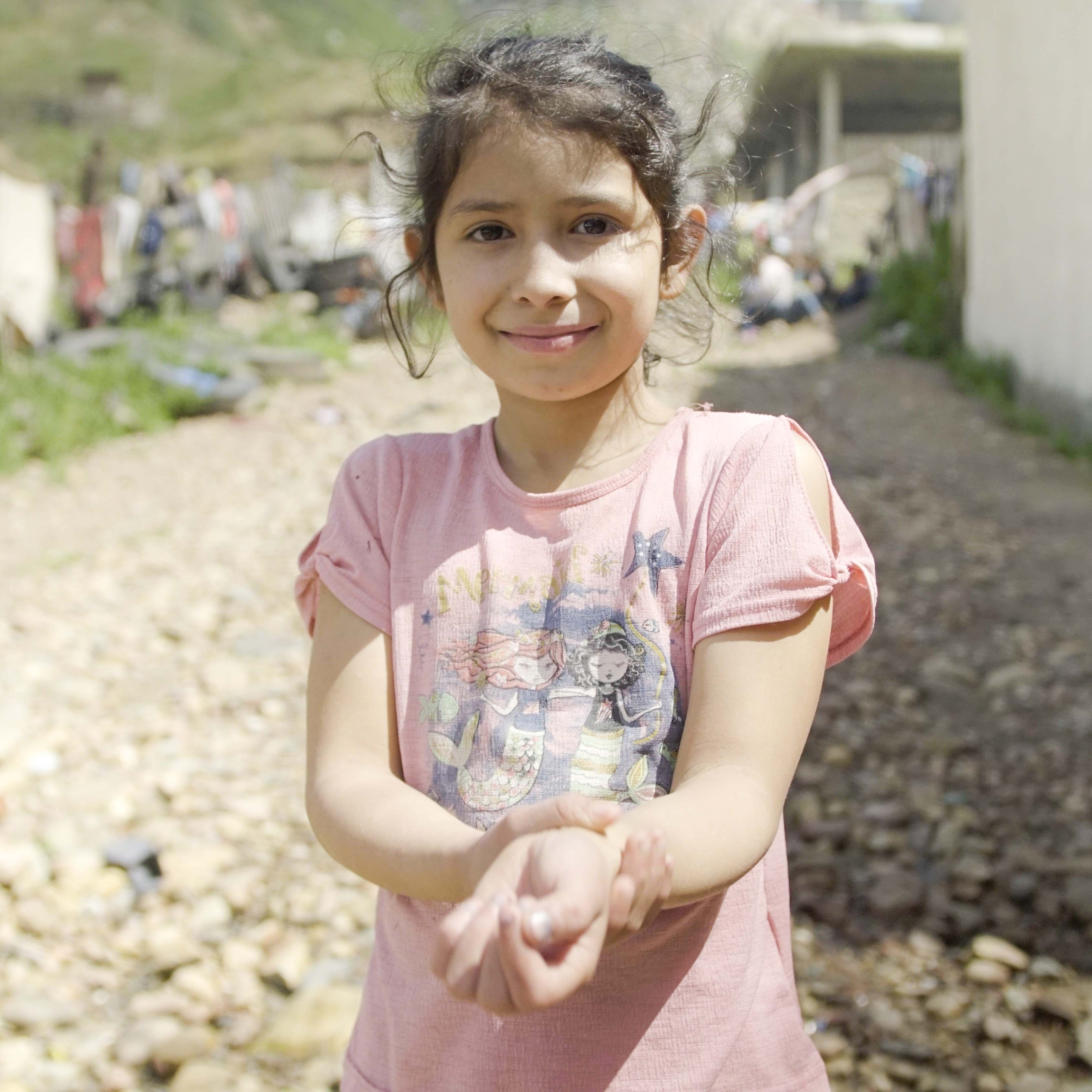
In the United States, persistent child poverty in rural communities is a crisis across America, affecting more than 14 million children. COVID-19 could impact children in the communities least equipped to provide support.
For years, a complex crisis of violence, gangs and crippling poverty has forced tens of thousands of families to flee El Salvador, Guatemala and Honduras to undertake dangerous journeys to the United States in search of protection.
The pandemic has been used as a pretext to expand anti-immigrant policies and close the U.S. southern border to children and families fleeing violence.
That's why, from the United States to Nicaragua, Save the Children is working to protect the most vulnerable children across North America.
Dominican Republic, El Salvador, Guatemala, Haiti, Honduras, Mexico, Nicaragua, United States

South America
The COVID-19 pandemic has affected the rights of millions of children in South America. While the need for support for the region's children has never been greater, access to specialized services are out of reach for many. Local services are overwhelmed and underfunded, or impossible to run due to social distancing measures.
Before the coronavirus outbreak, Venezuela already had the highest inflation rate in the world, with chronic shortages of food and medicine. Displacement from the country is among the highest in the world — second only to Syria.
Our education, health, livelihoods and nutrition programs in South America focus on helping every child survive and grow up healthy so they can thrive.
Thank you for signing up! Now, you’ll be among the first to know how Save the Children is responding to the most urgent needs of children, every day and in times of crisis—and how your support can make a difference. You may opt-out at any time by clicking "unsubscribe" at the bottom of any email.
By providing my mobile phone number, I agree to receive recurring text messages from Save the Children (48188) and phone calls with opportunities to donate and ways to engage in our mission to support children around the world. Text STOP to opt-out, HELP for info. Message & data rates may apply. View our Privacy Policy at savethechildren.org/privacy.