
Help Children in Ethiopia
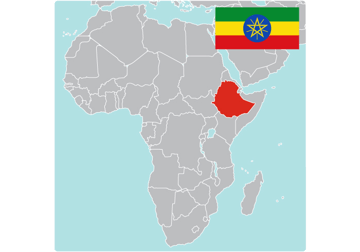
Ethiopia is Africa's second-most populated country, with a population of 115 million. Ethiopia is the third largest refugee-hosting country in Africa, sheltering over 800,000 registered refugees. With a population of 102.5 million, Ethiopia has a long history of hosting refugees. Today, there are more than 770,000 refugees in Ethiopia, mostly from South Sudan, Somalia and Sudan.
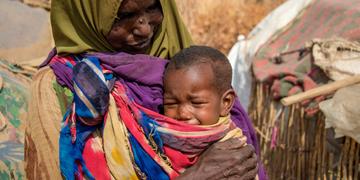
The humanitarian situation across Ethiopia is harrowing and multifaceted - nearly 30 million people, including 12.5 million children - now require critical humanitarian support. A prolonged, expanding, and debilitating drought is grinding away at the resilience of children and families, already worn down by the 2-year conflict and two years of the COVID-19 pandemic.
Save the Children is on the ground and doing whatever we can for children and families in Ethiopia, however, the need has grown to an enormous scale. Ongoing support is needed to provide critical lifesaving supplies and care to families impacted by drought, conflict and the ongoing hunger crisis.
The Challenges for Children in Ethiopia
Children in Ethiopia are reeling from the impacts of extreme flooding, an ongoing hunger crisis and the COVID-19 pandemic.

Nearly 2.5 million are internally displaced

4 out of 10 children suffer from stunting due to severe malnutrition

49% of children are engaged in child labor, instead of learning

33% of people live in poverty

43% of rural households lack access to improved sources of drinking water, and 94% lack access to improved sanitation.
Our Results for Children in Ethiopia
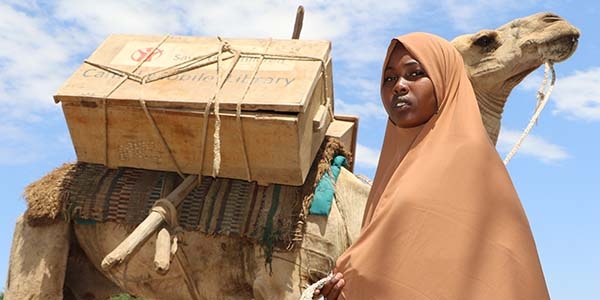
A camel library is giving children out of school in some of Ethiopia's most remote villages a unique opportunity to continue learning, despite COVID-19 school closures.

Protected 127,348 children from harm

Supported 836,978 children in times of crisis

Gave 10,544 children vital nourishment
Supported 970,920 parents to provide for their children’s basic needs
Our Work for Children in Ethiopia
Save the Children’s experts have cost-efficient and highly effective programs that provide education, health, food security, HIV/AIDS prevention and lifesaving care for newborn babies. Through partnerships with local and international agencies, we create stronger community-based solutions coupled with advocacy on a national level. The result means significantly more impact for our programs and their ensured sustainability.
Working closely with local communities in Ethiopia, Save the Children designs programs to help vulnerable children from early childhood to early adulthood — giving them a healthy start in life, the opportunity to learn and protection from harm along the way.
Our early childhood programs help prepare toddlers and young children for school by giving them access to quality preschools and early literacy programs. Our programs designed for primary school-aged kids work to transform students into lifelong learners by building strong curriculums and passionate teachers.
Our work with adolescents focuses on that challenging transition between childhood and adulthood, helping ensure it’s a positive one by teaching them money, job and relationship skills. We also provide health education and care to children in need through our school health programs to help children stay healthy, well-nourished and in school.
A healthy start in life
- Since 2016, we have led the USAID- and Feed the Future-funded Growth through Nutrition project in collaboration with the Government of Ethiopia and partners. This multi-sectoral, integrated nutrition program aims to reduce stunting/chronic undernutrition by 20%. Growth through Nutrition reaches more than 1.5M pregnant women and children under five annually with nutrition services, and 28,000 poor/vulnerable households with additional social and behavior change communication, nutrition-sensitive agriculture, and livelihood support in 120 districts (‘Woredas’) in six regions of Ethiopia.
- Growth through Nutrition builds on the achievements of USAID’s flagship multi-sector nutrition project in Ethiopia, Empowering New Generations to Improve Nutrition and Economic Opportunities (ENGINE) (2011-2016).
How to Help Children in Ethiopia
Donate
Support Save the Children’s mission. Donate to help children in Ethiopia, and around the world, survive and thrive.

Join Team Tomorrow
Join Team Tomorrow and your monthly donation will go toward addressing the needs of children affected by today’s most urgent issues.
Browse the Gift Guide
Give a unique and meaningful gift that will bring joy – and change lives. Find something for everyone on your list.
Sources: * Unless otherwise noted, facts and statistics have been sourced from Save the Children’s monitoring and evaluation experts and from the 2020 Global Childhood Report. You can access detailed data here. Other sources as follows: Population: CIA World Factbook; The World Bank, 2016; Unesco Institute for Statistics (UIS)