Lebanon Crisis Relief: Help Children in Urgent Need
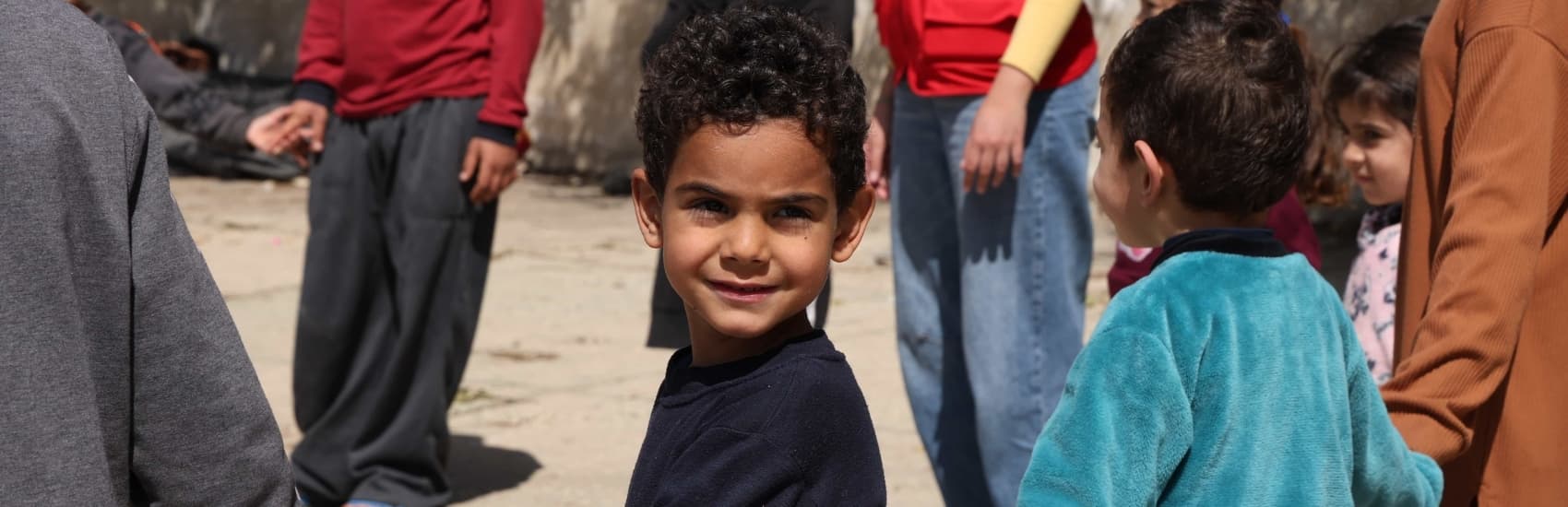
Years of economic hardship, displacement and conflict have left millions of children across Lebanon facing uncertainty. Today, children are coping with repeated disruptions to their education, damage to essential services and the lasting impacts of violence.
Save the Children has worked in Lebanon since 1953 helping children. From emergency education programs and child protection services to clean water and community resilience projects, we're helping children and families rebuild their futures.
1/5
Nearly one fifth of children could face crisis-level hunger or worse
4,000+
People killed since March, including approximately 250 children
20%
The UN humanitarian appeal for Lebanon funded so far
Lebanon's Children Face Overlapping Crises
Lebanon remains one of the world's most complex humanitarian emergencies. Families are navigating the effects of economic instability, ongoing displacement, damaged infrastructure and continued insecurity.
Children are among the hardest hit:
About 300,000 people remain displaced.
Nearly 770,000 children are experiencing heightened emotional distress due to violence, loss and instability.
At least 100,000 children at risk of missing the school year, with more than 340 schools destroyed or damaged
Damaged water infrastructure continues to affect communities returning to conflict-affected areas.
As families work to recover, humanitarian support remains critical.
Save the Children's Humanitarian Response in Lebanon
Save the Children has been working in Lebanon since 1953, helping children survive, learn and stay safe. As the crisis in the Middle East escalated, our teams mobilized within hours, delivering essential hygiene items and safe drinking water to families forced to flee—already reaching more than 4,000 households.

Safe Spaces for Education in Emergencies
Children affected by conflict and displacement need safe places to learn and regain a sense of normalcy. Through learning centers and education programs, we help children continue their education while receiving emotional support.

Head Version 2 SVG for web use
Child Protection and Mental Health
Repeated exposure to violence and displacement can affect children's wellbeing. Our programs provide psychosocial support, safe spaces and protection services that help children recover and build resilience.

Clean Water and Essential Services
Conflict has damaged critical water infrastructure across parts of Lebanon. Save the Children supports the rehabilitation of water systems that help restore reliable access to safe water for families returning home.

An icon of a mother and child holding hands.
Support for Refugee and Displaced Families
We provide essential assistance to refugee and displaced communities, helping children and caregivers access education, protection services, clean water, hygiene support and other resources needed to recover and rebuild.
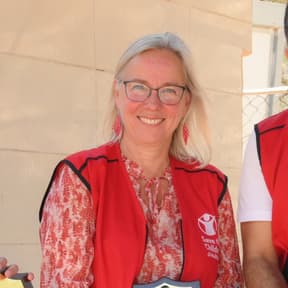
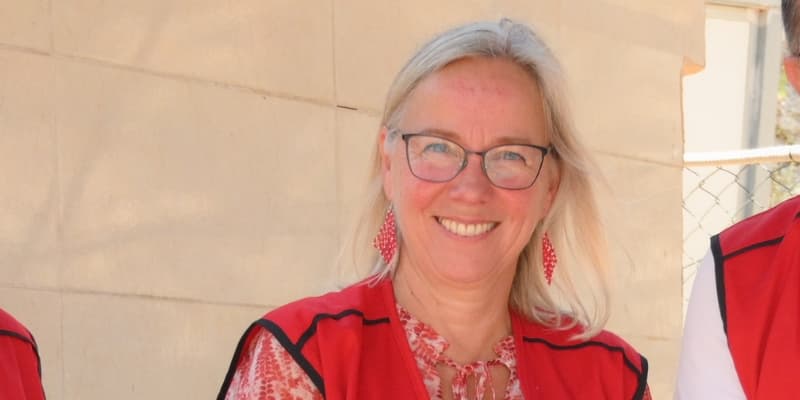
"The numbers tell the story but seeing the reality first hand is something else entirely Across 48 municipalities in Tyre district – or local authorities – assessments show that nearly 35,000 housing units have been damaged, with more than 6,300 completely destroyed, about 8,500 partially damaged, and about 20,000 requiring rehabilitation, according to data from the municipality. And this is just in Tyre – the southernmost district in Lebanon. "
- Nora Ingdal, Lebanon Country Director
How Your Support Is Helping Children in Lebanon
The UN's humanitarian appeal for Lebanon is only 20% funded. Your monthly gifts allow us to sustain long-term programs and respond instantly to the crisis. Your donations help us:
Deliver Health, Nutrition and Cash Assistance
Save the Children helps families meet urgent health, nutrition and basic needs. We provide cash assistance so families can buy food, medicine and essentials with dignity, alongside healthcare, maternal and child health, and nutrition programs.
Protect Children and Support Mental Health
Save the Children provides child protection services across Lebanon to prevent and respond to violence, neglect and exploitation. We support families through reunification, individual follow-up, family-based care, and mental health and psychosocial support.
Provide Emergency Relief, Water and Shelter
Save the Children provides emergency support to displaced families, including hygiene kits, baby kits, water, mattresses and blankets. We also help improve access to safe water, sanitation and shelter for children's health and safety.
Help Children Continue Learning
In Lebanon, we support Education through a back-to-school campaign with awareness-raising sessions, distribution of learning materials, catch-up programming in foundational literacy and numeracy, and information for caregivers on returning to learning.

Save the Children has a proven track record of using donations efficiently and effectively to change children's lives. We are proud to have received an A- rating from CharityWatch and a 4-star rating from Charity Navigator, the highest score possible from America’s leading independent charity evaluator.
This recognition reflects our long-standing commitment to ethical governance, transparent operations, and fiscally responsible use of donor support.
Crisis in Lebanon: Frequently Asked Questions and How to Help
What is the humanitarian situation in Lebanon today?
Lebanon remains in a prolonged humanitarian crisis driven by years of economic hardship, displacement, conflict and pressure on public services. Despite a ceasefire agreed in 2026, strikes and displacement continue, particularly in southern Lebanon, leaving hundreds of thousands of children displaced, and damaging schools, healthcare facilities and other essential infrastructure.
Children are among those most affected, facing interrupted education, protection risks, emotional distress and growing hunger.
How has conflict affected children in Lebanon?
Children in Lebanon have paid a devastating price during years of recurring violence and instability. Hundreds of children have been killed or injured, while many more have experienced displacement, interrupted education and loss of access to essential services.
Attacks on schools, healthcare facilities and other civilian infrastructure have disrupted daily life and created long-term challenges for children's safety, wellbeing and development. Children have the right to grow up safe, healthy and protected, even during conflict.
How is Save the Children helping children and families in Lebanon?
Save the Children has been working in Lebanon since 1953, supporting children affected by conflict, displacement and economic hardship.
Today, we work across the country to help children stay safe, continue learning and access essential services. Our programs include:
- Education and learning support
- Child protection services
- Mental health and psychosocial support
- Water, sanitation and hygiene programs
- Cash assistance and basic household support
- Health and nutrition services
We work directly and alongside local partners to reach children in both emergency and recovery settings.
How is the crisis affecting children's mental health?
Years of conflict, displacement and uncertainty have taken a significant toll on children's emotional wellbeing. Many children have lost their sense of safety after experiencing violence, displacement or repeated interruptions to school and daily life.
School is where children get social and emotional support, so the school closures directly worsen distress.
An estimated 770,000 children in Lebanon are experiencing heightened distress linked to violence, loss and displacement. Access to mental health and psychosocial support helps children regain stability, build resilience and recover from traumatic experiences.
How can I help children in Lebanon?
The UN humanitarian appeal for Lebanon is only 20% funded. Your support can help children and families access the services they need to survive, recover and rebuild their lives.
Donations help Save the Children provide:
- Safe learning opportunities
- Child protection and mental health support
- Clean water and hygiene services
- Emergency relief supplies
- Health and nutrition assistance
- Support for displaced and refugee families
Together, we can help children in Lebanon stay safe, continue learning and build a brighter future.
Updated: September 24, 2026