Latin America/Caribbean
| Click on a country to learn more |
Program Highlights
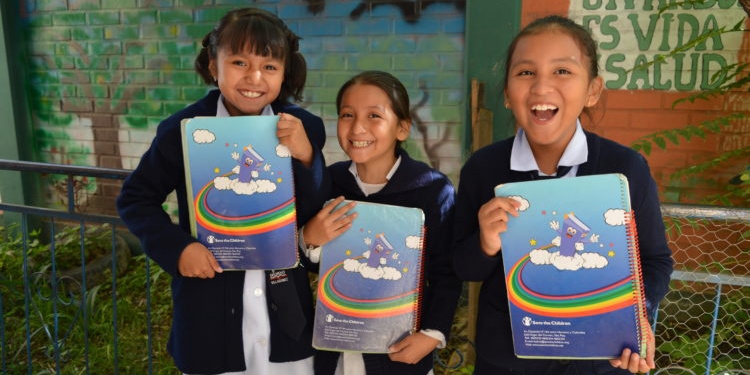
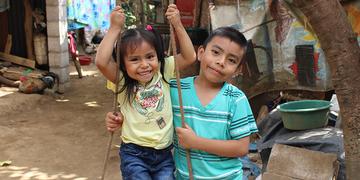
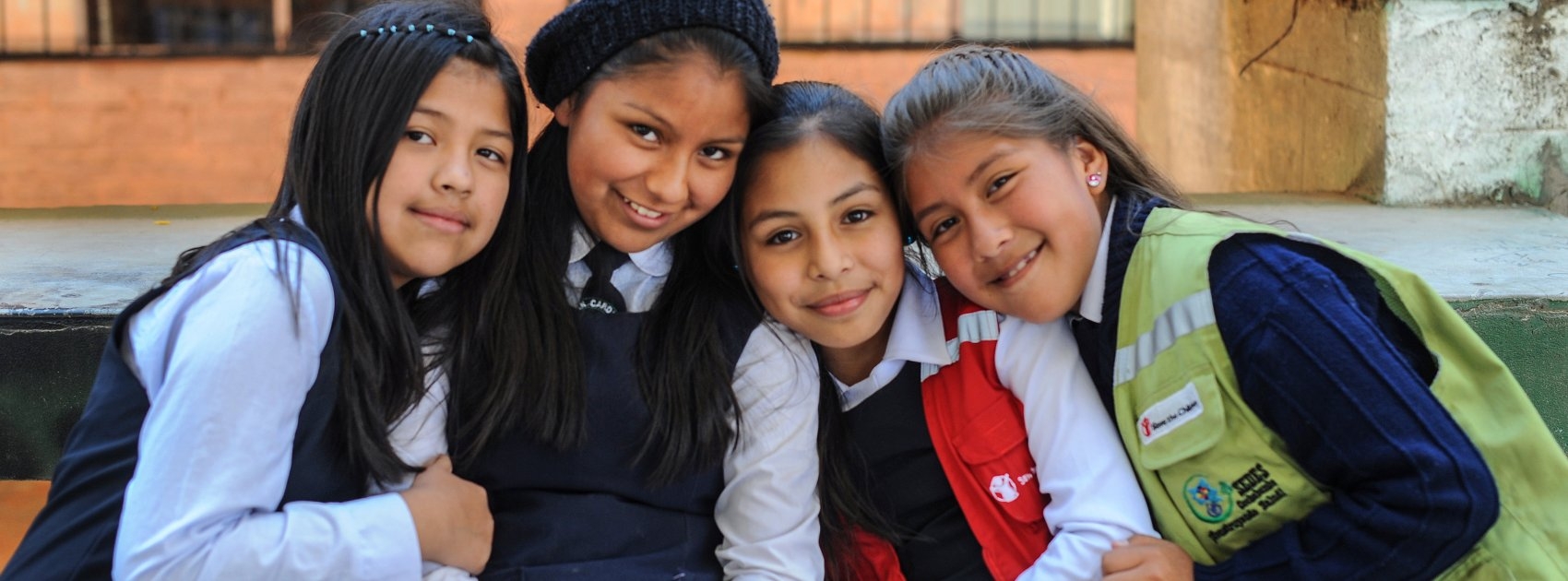
There are 35 countries in Latin America and the Caribbean, and 54 million children under the age of five. According to UNICEF, 60 percent of the region's children are living in poverty. Save the Children is working in those countries identified by the United Nations as having the highest levels of rural poverty in the region: Bolivia, El Salvador, Guatemala, Haiti, and Nicaragua. In addition, the agency works directly with three Save the Children Alliance members in Honduras, Mexico, and the Dominican Republic. With a focus on women and children, and with a community-based approach, Save the Children is forging partnerships and implementing programs to make lasting improvements in the health and well-being of newborns, children under five years old, school-aged kids, adolescents and mothers. In line with the global initiatives of Save the Children, the priorities of the Latin American and Caribbean region include: 1) neonatal health and reproductive health; 2) early childhood development and primary education; 3) food security and nutrition; and 4) emergency response and preparedness.
Save the Children has strengthened the adolescents' program, Making Decisions, which helps the youth of Oruro make responsible and informed decisions regarding their futures through three program areas: reproductive health, vocational orientation and education, culture and sports. With the cooperation of the United States-based Moriah Foundation, Save the Children initiated this program with the aim of encouraging adolescents to make life-plans based on education about such topics as self-esteem, values, culture, educational opportunities and occupations and the realities of life not only in Bolivia, but in the rest of the world.
Save the Children has worked in El Salvador since 1979, responding to the needs of children and communities affected by poverty. Currently, Save the Children works in rural communities in the departments of Cuscatlán, Cabañas and Sonsonate, alongside parents, teachers, local leaders, municipal governments, national institutions and private partners to achieve the following results: (1) improved access to quality education programs; (2) increased knowledge and skills of parents, caregivers and teachers related to the optimal development of children; (3) stronger support systems and political environment around early childhood development, primary education and youth; (4) improved parent and caregiver practices related to health, nutrition and development of children.
Save the Children has worked in Guatemala since 1999, responding to the needs of over 70,000 children and their families affected by 36 years of civil war and a legacy of social, political and economic exclusion, particularly of the indigenous Mayan population. In the western highland region where we work, social services such as health, education, communication systems and infrastructure were either neglected or destroyed. The population there faces some of the worst socioeconomic indicators in the hemisphere.
Save the Children is improving the well being of poor children and families in the Central Plateau, Maissade and Dessaline regions through initiatives in education, health, nutrition and food security and, by building our program partners’ capacity to sustain this work on their own and over the long term. A number of our partners also work at the regional and national levels, increasing opportunities to bring the most effective programs to scale. In response to the emergency created by the two major floods in 2004, Save the Children provided humanitarian assistance in both of the departments that were the most affected.
In Honduras, Save the Children has been working to create positive changes in the lives of girls and boys in rural communities and poor neighborhoods of the capital Tegucigalpa since 1968. Save the Children has five offices distributed in the central and southern areas of Honduras.
Save the Children in Nicaragua has focused its development activities, during the past two years, on family and community level economic reactivation, increased access to health services, rehabilitation of infrastructure, such as roads and bridges, installation of potable water systems and improvement in environmental health, increased access to early childhood development services, increased availability, access and utilization of nutritious foods, and disaster prevention, mitigation and preparedness.