Help Children in Bhutan
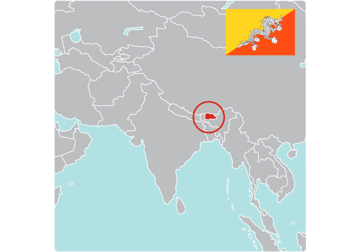
Bhutan is a tiny, remote kingdom nestled in the Himalayas between India and China. Almost completely cut off from the world for centuries, it began opening up to outsiders in the 1970s, while fiercely guarding its ancient traditions. Bhutan’s long-wielded monarchy became a two-party parliamentary democracy after elections in 2008.
In today’s Bhutan, half of the population lives in poor rural communities, making formal education difficult. The result is that nearly 42% of Bhutan’s children struggle to read and write.
The future of Bhutan depends on the health, education and protection of its children – benefitting the future of us all.
Challenges for Children in Bhutan
Despite progress in child mortality, school attendance and adolescent births, Bhutan’s children live with poverty, child mortality, severe malnutrition and limited access to education. Children in Bhutan need your help.

1 child in 34 dies before their 5th birthday, 4 times the U.S. rate

34% of children suffer from stunting due to malnutrition

13% of children are out of school, and 43% of girls (ages 15+) struggle to read and write

5% of girls (ages 15-19) are married, and 1 in 50 gives birth

8% of people live in poverty
Our Results for Children in Bhutan
Thanks to the support of caring people like you, we changed the lives of over 547,000 children in Bhutan and neighboring Nepal last year – giving them the chance to grow up healthy, educated and safe, so they can realize their potential.

313,000 children healthy and nourished

238,000 children educated and empowered

70,000 children protected from harm

141,000 children lifted from poverty

5,000 children aided in crisis
Our Work for Children in Bhutan
Since 1982, Save the Children has served as a leading charity in Bhutan.
We started by providing community services, such as a preschool, health post, mule track, community center, suspension bridge, safe drinking water and irrigation canals. Today, we serve as a national partner to the government of Bhutan in providing early childhood care and education, education, adolescent development, child protection, youth advocacy, disaster risk reduction and humanitarian response programs across the country.
Here are some recent examples of our work:
A healthy start in life
- We partnered with Bhutan’s ministry of health to pilot a brain-building program for children ages 0–3 years, teaching parents about child development and interactive activities to help stimulate their children’s brains, along with lessons on health, safety, well-being and positive discipline techniques
- We’re providing hearing and visual assistance devices to children with impairments, and we’re working with government partners to create a national strategy to protect the rights of children with disabilities
- Our Learning at Home approach, which extends opportunities to children with no access to preschool, was integrated into the national health system in remote areas
The opportunity to learn
- We’re helping improve the quality of education in preschools, training teachers to incorporate play-based math and reading activities that help increase school readiness and elementary school success
- We’re working to build 150 early childhood care and development centers by 2022
- We’re making it possible for children in remote regions to continue their learning despite changes in the weather that deter them from attending school
- We’re working on a creative solution to the lack of children’s books, especially those with local stories and themes, while giving girls and boys an opportunity to express themselves through writing and drawing
- We’re raising awareness among teens about issues like violence, teen pregnancy and suicide, and we’re empowering at-risk adolescents to enhance key life skills and make decisions that will positively impact their future
Protection from harm
- We developed “Safe Spaces” for children of incarcerated mothers, establishing an institutionalized program outside of prison walls where mothers and children meet to participate in appropriate early stimulation and development programs and activities
Emergency response
- We’re working in disaster-prone schools and early childhood development centers in collaboration with school officials on risk mitigation projects to reduce the impacts of hazards compromising children’s safety and health – such as earthquakes and landslides
How to Help Children in Bhutan
You can create change that lasts a lifetime for children in Bhutan – in so many ways.
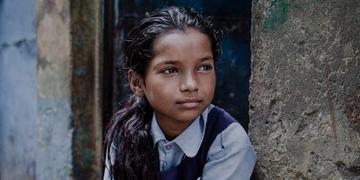
Donate
Support Save the Children’s mission. Donate to help children in Bhutan and around the world grow up healthy, educated and safe.
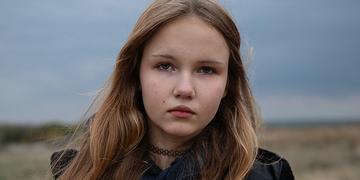
Join Team Tomorrow
Join Team Tomorrow and your monthly donation will go toward addressing the needs of children affected by today’s most urgent issues.
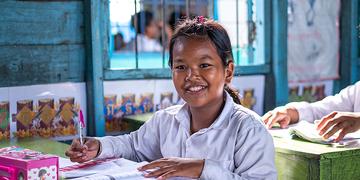
Browse the Gift Guide
Give a meaningful gift that will help transform children’s lives and futures in Bhutan and beyond. There’s something for everyone!
Sources: Facts and statistics have been sourced from Save the Children’s monitoring and evaluation experts, as well as our thought leadership publications, including our Global Childhood Report 2021. Other sources include CIA World Factbook and BBC Country Profiles.
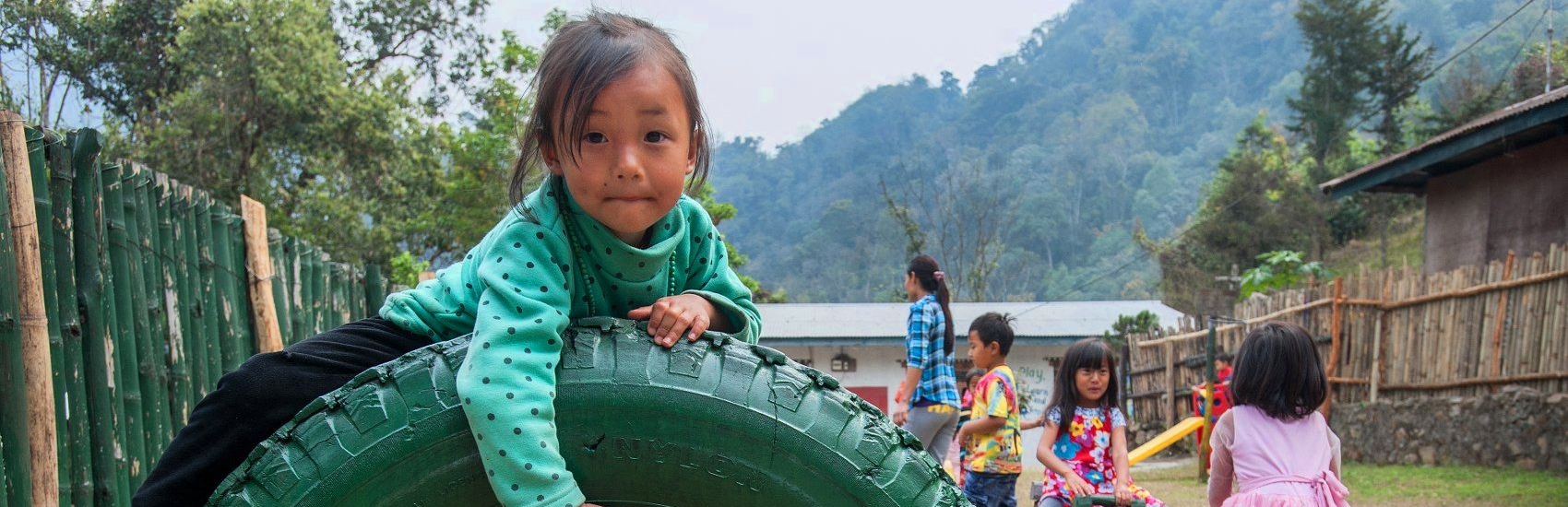
Photo: Victoria Zegler / Save the Children.