
A DEADLY EARTHQUAKE HAS PUT CHILDREN AT RISK
Following the most powerful earthquake to strike Myanmar in over a century, children in Myanmar and Thailand urgently need safe places to sleep, food, water, health care and education, as well as protection. Our teams are moving quickly, but it's crucial that we act now to provide support to the thousands of people in need.
Your donation to the Children's Emergency Fund enables us to respond to crises around the world. Please donate today.

Help Children in Asia
In 2020, South Asia witnessed one of the heaviest monsoon seasons in years, with two severe cyclons striking Bangladesh and India within just a few weeks of one another. In the Phillipines, multiple record-breaking disasters, including Typhoon Goni and the Taal volcano eruption, threatened the health and safety of children and families like never before.
While extreme events, including cyclones and typhoons, are not new to Asia, the strength and frequency of them continues to strains health care systems and disrupted infrastructure critical to children’s well-being. With the COVID-19 pandemic revealing and exacerbating existing inequalities, millions of children living in fragile communities across Asia face an even greater risk.
Following the onset of the COVID-19 pandemic, worsening shortages and rising prices of oxygen were reported in countries with some of highest numbers of child pneumonia deaths, such as India and Bangladesh. Meanwhile, COVID-related school closures have pushed more than 430 million children into remote learning, which is nearly impossible for children in rural areas lacking both internet access and electricity.
Girls in South Asia are disproportionately impacted by the risk of increased child marriage as a result of the economic impacts of the COVID-19 pandemic, with an estimated 191,000 being forced into child marriage or expected to become pregnant.
Save the Children has worked in Asia for more than 30 years. Already a world leader in child survival, health and nutrition, we are adapting and expanding our programs across Asia, as well as launching innovations, to address children’s needs made worse by this pandemic. But we can’t do any of this lifesaving work without your support.
Explore Our Work for Children in Asia
Bangladesh
Home to the world’s largest refugee camp, Cox’s Bazar District in southeastern Bangladesh was dangeroulsy exposed to a potential COVID-10 outbreak at the start of the pandemic, and it remains so today.
To aid in the treatment and prevention of COVID-19, Save the Children built an isolation and treatment center in Cox's Bazar in April 2020.
In May 2020, Cyclone Amphan struck Bangladesh and India with 150-mph winds. Displaced families were left without shelter or clean water as the pandemic contined to spread.
In the coming months, the incessant rains that followed led to widespread flooding across the country, affecting some five million people, including 1.9 million children. Another one million homes were damaged by the floods with dozens of lives lost.
-in-estancia-ch11042301.jpg/d8jb0a4ldvm52d3da4875v7yrm2vnibi.jpg?g=auto&w=768&format=webp&itok=I0KnrsKC "Philippines, a mother holds a baby in front of rubble caused by a natura disaster")
The Philippines
The Philippines is prone to deadly natural disasters. In 2019, a series of deadly earthquakes struck Mindanao Island. At the start of 2020, the Taal volcano began spewing ash, prompting warnings of a possible explosive eruption.
When Typhoon Goni made landfall in the Philippines in October 2020 as the strongest tropical cyclone on record, one million people were evacuated while hundreds of thousands were displaced long term.
With each disaster, evacuated families and children were cramped in unsanitary shelters lacking access to clean water, toilets and basic healthcare. As the COVID-19 pandemic continued to spread, the immediate needs of families only grew.
As they have been in the past, Save the Children's teams were on the ground to distribute hygiene kits including facemasks and hand sanitiser and shelter kits to help weatherproof damaged homes.
Explore More on Where We Work in Asia
How to Help Asia's Children
There are so many ways you can help create change that lasts a lifetime for children in Asia.
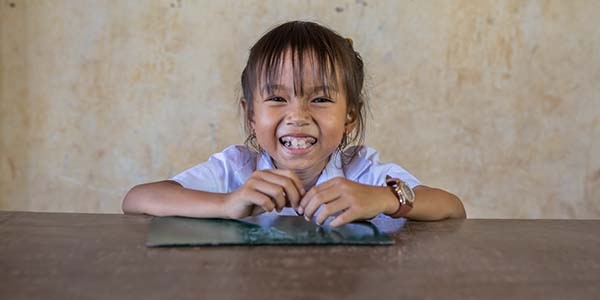
Donate to Children in Asia
Support Save the Children’s mission. Donate to help children in Asia, and around the world, survive and thrive.
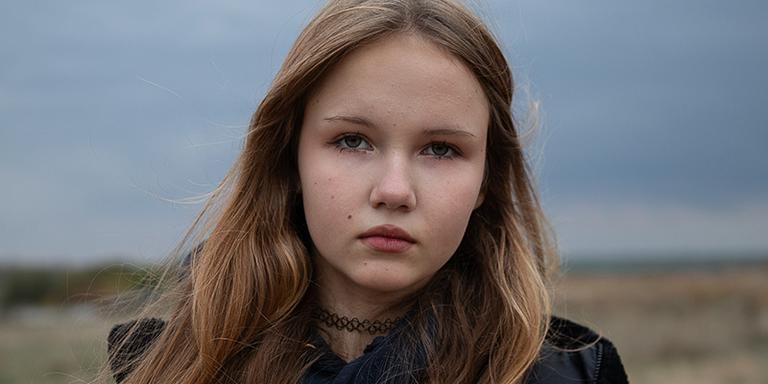
Join Team Tomorrow
Join Team Tomorrow and your monthly donation will go toward addressing the needs of children affected by today’s most urgent issues.
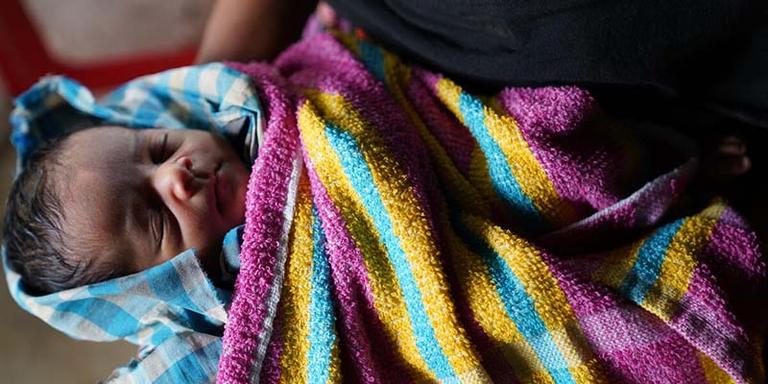
A newborn baby born at the Save the Children Primary Health Care Centre in Cox’s Bazar, Bangladesh is swaddled in a colorful baby blanket.
Help Provide Medical Care
When you visit the gift guide and choose to support providing medical care or other health supplies, you help a child in need.