
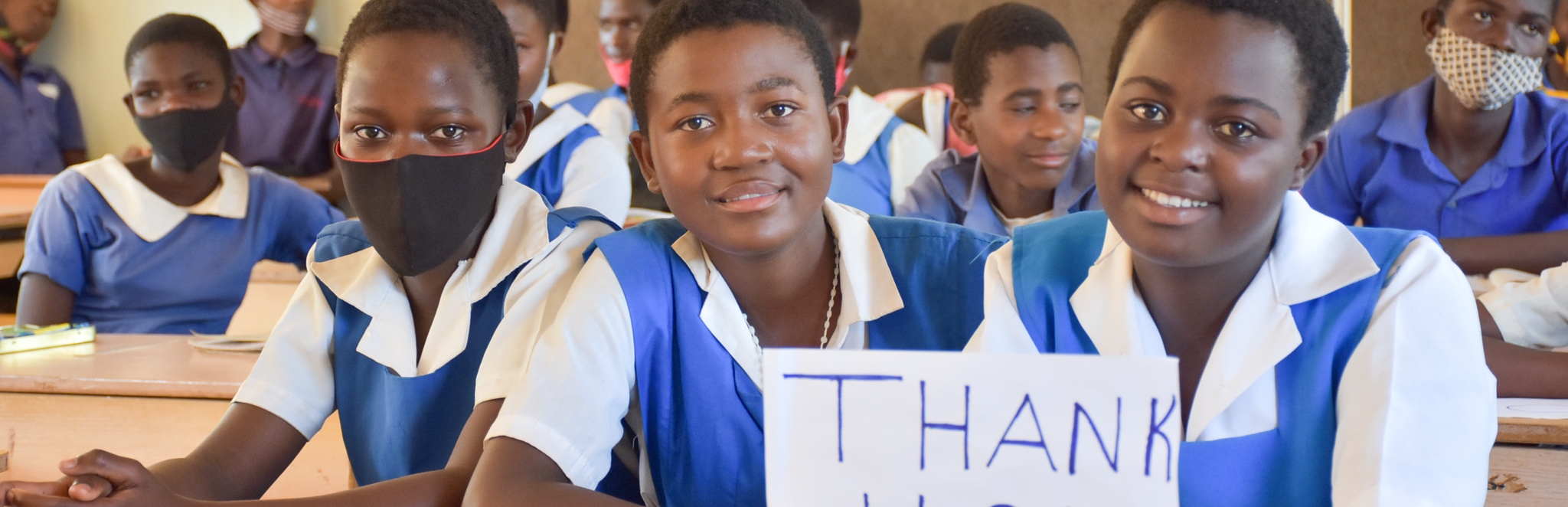
Help Children in Malawi
Life is difficult for children in Malawi: 500,000 children have lost one or both parents to HIV and AIDS. They have limited access to health and nutrition services. There is an acute shortage of teachers and physical infrastructure. Many children don’t finish elementary school because they can’t afford school supplies, they’re needed for labor at home and they fear for their safety while at school.
The Challenges for Children in Malawi
Living in poverty, without access to quality healthcare or education, children in Malawi need your help.*

51% of people live in poverty

1 child in 18 dies before their 5th birthday - 8 times that of the United States

37% of children suffer from stunting due to malnutrition

18% of school-age children are out of school

39% of children are engaged in child labor

24% of girls age 15-19 are married

1 in 7 girls between age 15-19 gives birth

45% of girls age 15 and older struggle to read or write
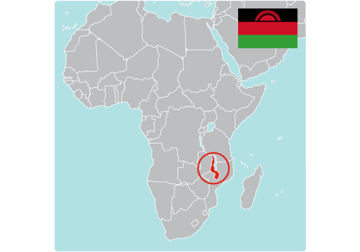
Our Work for Children in Malawi
Save the Children has worked in Malawi since 1983. We work directly or through partners in over a dozen districts. We seek to ensure that children in need are protected, healthy and nourished, educated and live in economically secure households, while helping communities mitigate the impact of HIV and AIDS.
Save the Children is also working to make education more accessible and equal. We increase children’s access to basic education, help children stay in school and enhance the quality of education.
Working closely with local communities in Malawi, Save the Children designs programs to help vulnerable children from early childhood to early adulthood — giving them a healthy start in life, the opportunity to learn and protection from harm along the way.
Our early childhood programs help prepare toddlers and young children for school by giving them access to quality preschools and early literacy programs. Our programs designed for primary school-aged kids work to transform students into lifelong learners by building strong curriculums and passionate teachers.
Our work with adolescents focuses on that challenging transition between childhood and adulthood, helping ensure it’s a positive one by teaching them money, job and relationship skills. We also provide health education and care to children in need through our school health programs to help children stay healthy, well-nourished and in school.

Protected 84,618 children from harm

Supported 1,059,874 children in time of crisis

Provided 965,547 children with a healthy start in life
Helped 849,399 families feed their children

Gave 170,153 children vital nourishment
How to Help Children in Malawi
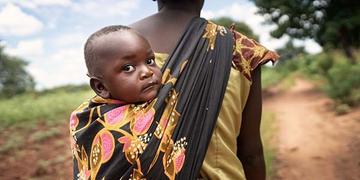
Donate
Support Save the Children’s mission. Donate to help children in Malawi, and around the world, survive and thrive.
Join Team Tomorrow
Join Team Tomorrow and your monthly donation will go toward addressing the needs of children affected by today’s most urgent issues.
Browse the Guide
Give a unique and meaningful gift that will bring joy – and change lives. Find something for everyone on your list.
Sources: * Unless otherwise noted, facts and statistics have been sourced from Save the Children’s monitoring and evaluation experts and from the 2019 Global Childhood Report. You can access detailed data here. Other sources as follows: Population: CIA World Factbook; The World Bank, 2016; Unesco Institute for Statistics (UIS)