Help Children in Africa
Save the Children has worked in Africa for more than 60 years, across 20 countries, supporting 6.9 million children. As conflicts across the region escalate, the climate crisis intensifies, and global inequality widens, record numbers of children across Africa face the threat of hunger and malnutrition.
Your generous donation today can help children in Africa and around the world survive to grow up healthy, educated and safe.
Save the Children's Impact in Africa by the Numbers
In 2024, our programs in Western and Central Africa supported 3.3 million people, including 1.8 million children. In Eastern and Southern Africa, we supported 8.9 million people, including 4.9 million children.

In Sudan we’ve supported over 82,000 children through education programs, including 65 accelerated learning programs.

Water icon
In the DRC our water, sanitation and hygiene services continue to support 440,000 people who need access to clean water, washing facilities and household essentials.
In Kenya we helped more than 680,000 people, working closely with local partners.

In Somalia we operated 75 Child-Friendly Spaces, deployed 40 mobile child protection teams and child safeguarding support to more than 60,000 children.

Save the Children has worked in South Sudan since 1991, providing children with access to education, healthcare and nutritional support, and families with food security.

In Burkina Faso we helped more than 245,000 people, including more than 145,000 children delivering lifesaving assistance to children and families.
Learn More About Our Work for Children in Africa
Together with partners, Save the Children is working with communities across Africa facing the devastating effects of conflict, violence and extreme weather. In Sudan and the DRC, ongoing conflict has limited access to food for years, while parts of East and Southern Africa, including Somalia, have suffered back-to-back failed rainy seasons.
Sudan
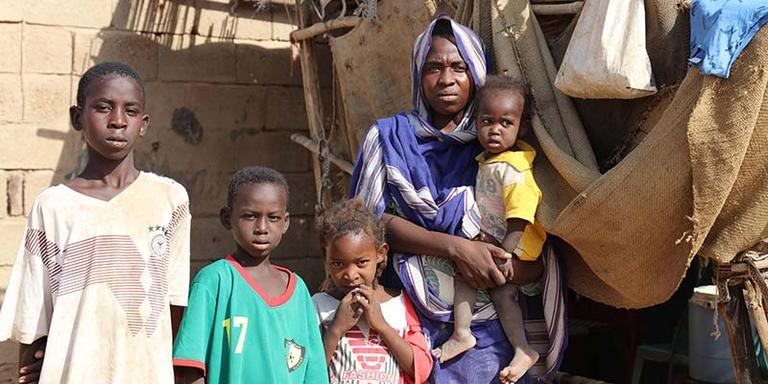
Years after conflict erupted in Sudan’s capital, children are caught in an unprecedented humanitarian crisis. Sudan is now the largest child displacement crisis in the world with 5.8 million children uprooted from their homes, leaving them deprived of basic necessities such as food, shelter and healthcare. We are currently working in 12 out of the 18 Sudanese states, running mobile health clinics, treating children with malnutrition and setting up safe spaces for children. LEARN MORE ABOUT OUR WORK IN SUDAN
Somalia
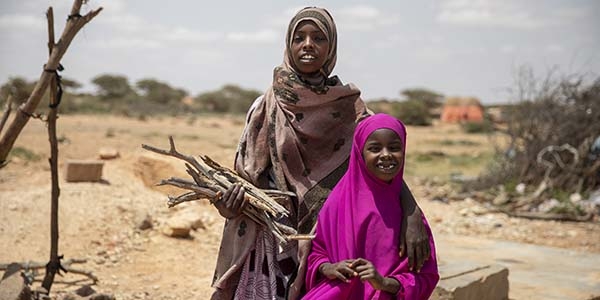
Somalia has been grappling with persistent conflicts and extreme weather conditions, such as recurring droughts and floods, for several decades. These challenges have contributed to widespread poverty, and a deepening humanitarian crisis. We have reached over 150,000 vulnerable children across Somalia with lifesaving protection services ensuring children affected by conflict, displacement, and violence received care, support, and safety. LEARN MORE ABOUT OUR WORK IN SOMALIA
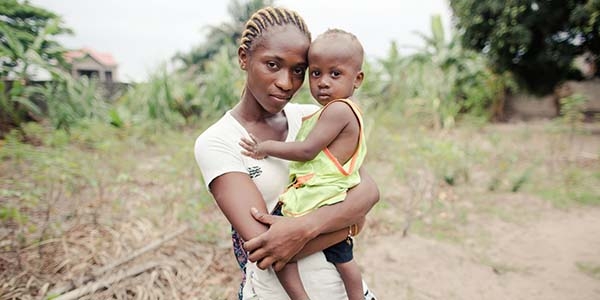
The Democratic Republic of Congo (DRC)
The Democratic Republic of Congo (DRC) continues to be one of the most dangerous places for a child. 3.7 million children have been uprooted from their homes, primarily due to conflict. Yet it is one of the most forgotten and underfunded crises in the world. We’ve been supporting families in the DRC with emergency healthcare, education, protection services, food and cash assistance. LEARN MORE ABOUT OUR WORK IN THE DRC
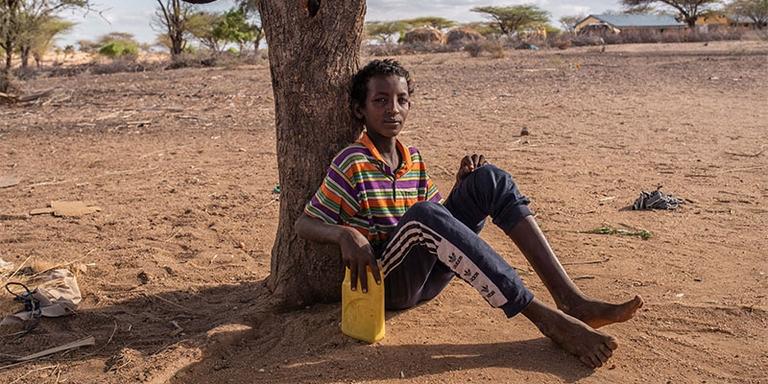
Kenya
Today, over 2.1 million people in Kenya are in need of life-saving assistance. 800,000 children under 5 require treatment for malnutrition. As food insecurity worsens and refugee populations grow, urgent support is needed to protect the health, safety and future of Kenya’s most vulnerable children. We have worked in Kenya since 1950 and have strengthen health systems to prevent and treat child malnutrition through training and advocacy. LEARN MORE ABOUT OUR WORK IN KENYA
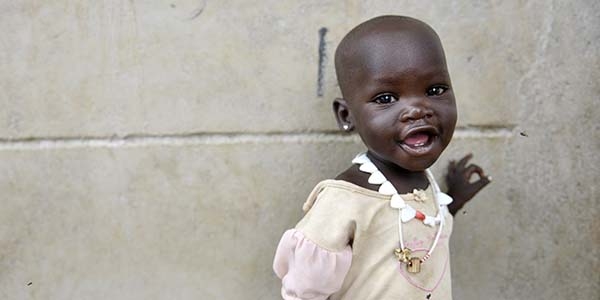
South Sudan
South Sudan is weathering a storm of crises. Escalating political upheaval and the resulting violence have led to school closures, mass displacement and market closures that leave families without options. 2 million children are experiencing acute malnutrition. In response to one of the world’s most severe humanitarian crises, we are providing children and their families with critical lifesaving aid. LEARN MORE ABOUT OUR WORK IN SOUTH SUDAN
Explore More on Where We Work in Africa
Donate to Help Children in Africa
Save the Children provides, life-saving emergency aid, vital health and nutrition, access to education, and much needed child protection. Your thoughtful donation can help children in Africa—and all over the world—live a safer, healthier, happier life.